
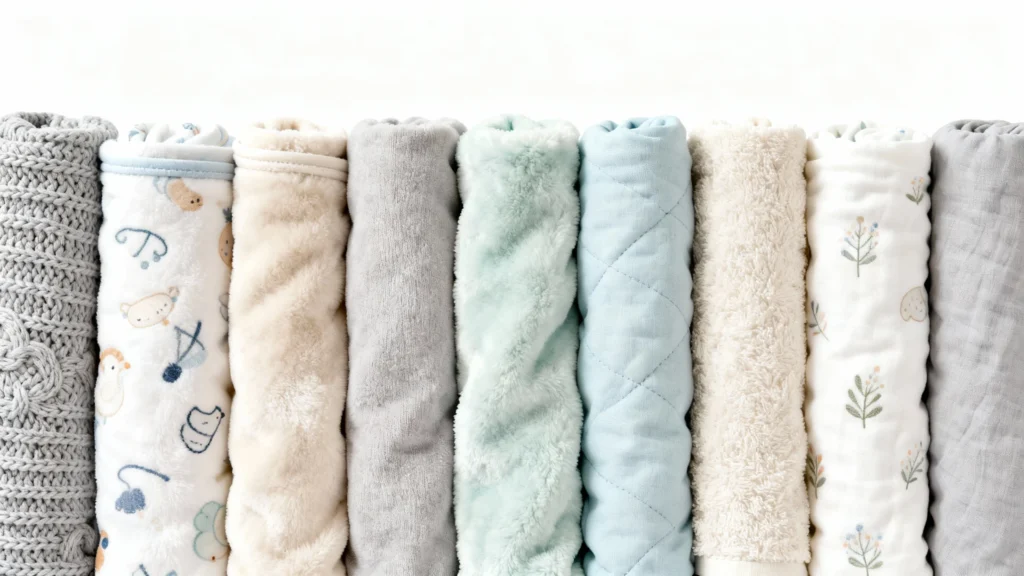
Understanding the Science of Safe Infant Sleep
The urge to tuck a baby in with a soft, adorable blanket is nearly universal, but the science behind safe infant sleep urges caution. Loose bedding and soft objects in a crib are not just unnecessary—they can be dangerous for infants under 12 months. The American Academy of Pediatrics (AAP) and child safety experts worldwide agree: a bare crib is best for the first year of life, with only a firm mattress and a snug, fitted sheet [5].
Why is this the case? The main concern is the risk of suffocation and Sudden Infant Death Syndrome (SIDS). Soft bedding, including blankets, pillows, and stuffed animals, can cover a baby’s nose or mouth, making it difficult to breathe. Unlike older children or adults, infants lack the strength and reflexes to move away from obstructions or pull a blanket off their face. This inability to react increases the risk of accidental suffocation and SIDS, especially in the first 6-12 months when babies are most vulnerable [5].
Research has shown that soft bedding is implicated in nearly 70% of sleep-related suffocation deaths in infants. The mechanism is straightforward: if a blanket covers a baby’s face, they may “re-breathe” their own exhaled air, leading to lower oxygen and higher carbon dioxide levels. While adults would instinctively move or wake up, young babies might not, which is why the risk is so pronounced [5].
The safest sleep environment for infants is simple: a firm, flat mattress with a tightly fitted sheet, and nothing else in the crib. This means no blankets, pillows, bumpers, or toys. The science also extends to products marketed as sleep aids, such as weighted blankets, sleep sacks, and swaddles. Despite their popularity among adults, these products are not safe for babies. Pediatricians and product safety experts, including those at Consumer Reports, have found little to no evidence supporting their safety for infants. In fact, the AAP has explicitly warned against the use of weighted sleep products for babies, citing the lack of regulation and the potential for harm [1].
The U.S. Consumer Product Safety Commission (CPSC) has updated its guidance to advise caregivers not to use weighted blankets or swaddles for infants, referencing concerns from both the Centers for Disease Control and Prevention and the National Institutes of Health [1]. Even studies cited by manufacturers of weighted products have not demonstrated safety in real-world, unsupervised settings. For example, one study only observed babies for short, supervised periods, and another unpublished study suggested that prolonged use could lead to fatigue and unsafe drops in oxygen levels [1].
Beyond blankets, other products like baby nests and pods have also come under scrutiny. The Lullaby Trust, a leading safe sleep charity, warns that these products often do not meet safer sleep guidelines because they may not provide a firm, flat surface. Soft mattresses and padded bumpers can increase the risk of suffocation, particularly if a baby rolls onto their front or turns their face into the padding [4]. The safest approach is to avoid any sleep product that is not firm and flat, and to always place babies on their backs to sleep.
In summary, the science is clear: for the first year, a minimalist approach to the crib is not just recommended—it’s essential. This evidence-based guidance is designed to protect babies during their most vulnerable months and give parents peace of mind.
Here’s what we love:
Safe Sleep Essentials
When Babies Are Ready for Blankets: Milestones and Guidelines
As babies grow, their risk of sleep-related suffocation decreases, but the transition to using a blanket is not marked by a single, universal milestone. Developmental readiness is key. Most experts agree that parents should wait until at least 12 months before introducing a blanket into the crib, and many recommend holding off until 18 months or even later for extra caution [5].
What changes after the first year? By around 12 months, most healthy babies have developed the motor skills to roll over, reposition themselves, and move objects away from their face if needed. This increased mobility means that a lightweight blanket is less likely to pose a suffocation risk. However, there is no “guaranteed safe” age—every child develops at their own pace, and some may not be ready until closer to 18 months or even 2 years [5].
It’s important to observe your child’s individual readiness. Signs that your baby may be ready for a blanket include being able to roll in both directions, sit up independently, and demonstrate the ability to move bedding away from their face. Even so, many toddlers continue to sleep in wearable blankets (sleep sacks) well past their first birthday, as they often kick off regular blankets anyway. In fact, it’s not uncommon for children to prefer sleep sacks until they’re 2 or 3 years old [5].
The transition from sleep sacks to blankets should be gradual and based on your child’s comfort and abilities. There’s no need to rush—many children don’t consistently keep covers on through the night until they’re preschoolers. The most important factor is ensuring that any blanket introduced is lightweight and breathable, minimizing any lingering risk.
It’s also worth noting that the absence of a blanket does not mean your child will be cold or uncomfortable. Layering with appropriate sleepwear and adjusting the room temperature are effective ways to keep your baby warm without introducing unnecessary risks. The focus should always remain on safety first, with comfort following closely behind.
In summary, while the general guideline is to wait until at least 12 months, the safest approach is to consider your child’s unique development and err on the side of caution. When in doubt, consult your pediatrician for personalized advice.
Parents are loving these:
First Toddler Blankets
Choosing Safe Sleep Products for Every Stage
Navigating the world of sleep products can feel overwhelming, especially with so many options marketed as “must-haves.” The reality is that simplicity and safety should guide every choice, especially in the first year. For infants, wearable blankets and sleep sacks are the safest alternatives to loose blankets. These products are designed to provide warmth without the risk of covering a baby’s face or becoming tangled [5].
When selecting a sleep sack, look for features like breathable fabrics, appropriate sizing, and secure closures. Avoid any product that is weighted, as the science does not support their safety for infants. Despite claims from some manufacturers, there is no peer-reviewed evidence that weighted sleep sacks or swaddles are safe for unsupervised, overnight use. In fact, the AAP and CPSC have both advised against their use, and major retailers have stopped selling them due to safety concerns [1][2].
As your child grows and becomes ready for a blanket, the focus should shift to lightweight, breathable materials. Choose a blanket that is small enough to minimize entanglement risk and easy for your child to move. Avoid heavy, thick, or overly plush blankets, as these can still pose a hazard even for older babies and toddlers [5].
It’s also important to steer clear of products like baby nests, pods, and soft bedding. While these items may look cozy, they often do not provide the firm, flat surface recommended for safe sleep. Soft mattresses and padded bumpers can increase the risk of suffocation, particularly if a baby rolls onto their front or turns their face into the padding [4]. The safest sleep environment remains a firm mattress with a fitted sheet, regardless of your child’s age.
For parents seeking to add comfort as their child transitions to a “big kid” bed, consider breathable toddler pillows and lightweight comforters, but only after your child has demonstrated the ability to move bedding away from their face. Even then, continue to prioritize safety by choosing products designed specifically for young children and following all manufacturer guidelines [3].
In every stage, matching sleep gear to your child’s age and developmental needs is the best way to ensure both comfort and safety.
Worth checking out:
Best Sleep Sacks & Swaddles
Creating a Cozy, Safe Sleep Space as Your Child Grows
As your child moves beyond infancy, creating a cozy and safe sleep environment becomes a blend of science and creativity. The foundation remains the same: a firm, flat mattress and a clutter-free sleep space. But as your child grows, you can introduce new elements to support both comfort and healthy sleep habits.
Layering with pajamas is a simple and effective way to keep your child warm without relying on blankets. Choose sleepwear made from breathable, natural fibers, and adjust the number of layers based on the room temperature. The ideal sleep environment is cool but comfortable, typically between 68-72°F (20-22°C) [5].
When your child is ready, you can introduce a lightweight blanket and, eventually, a small comfort object. Start with a single, breathable blanket and observe how your child uses it. Some children may kick it off, while others may snuggle in. If you choose to add a comfort object, select one that is safe for sleep—avoid anything with loose parts, strings, or small pieces that could pose a choking hazard.
Transitioning to “big kid” bedding is an exciting milestone. When your child moves to a toddler bed or regular bed, you can gradually introduce a toddler pillow and a larger blanket or comforter. Continue to prioritize safety by choosing products designed for young children and following all manufacturer recommendations [3].
Building a bedtime routine that supports healthy sleep is just as important as the physical environment. Consistent routines help signal to your child that it’s time to wind down and prepare for sleep. This might include a warm bath, reading a favorite book, or listening to calming music. The goal is to create a sense of security and comfort that supports restful, safe sleep.
As always, stay attuned to your child’s needs and developmental stage. Every child is unique, and what works for one may not work for another. The key is to combine evidence-based safety practices with thoughtful, age-appropriate comfort.
Ready to shop?
Cozy Toddler Bedding
Welcoming a blanket into your child’s sleep routine is a milestone worth celebrating, but it’s one that’s best approached with patience and care. By following the science, observing your child’s readiness, and choosing products thoughtfully, you can create a sleep environment that is both safe and comforting. Here’s to many nights of restful, secure sleep for your little one—and peace of mind for you.
Sources
[1] Weighted Baby Blankets, Sleep Sacks, Swaddles Are Not Safe — https://www.consumerreports.org/babies-kids/child-safety/weighted-baby-blankets-sleep-sacks-swaddles-are-not-safe-a6236206799/
[2] Weighted Sleep Sacks: Everything You Need to Know — https://www.babylist.com/hello-baby/weighted-sleep-sacks
[3] Why Can’t Babies Sleep With a Pillow? — https://www.whattoexpect.com/first-year/ask-heidi/pillow-for-baby.aspx
[4] Baby nests and pods – what are the safety worries? | MadeForMums — https://www.madeformums.com/baby/are-baby-sleeping-pods-and-nests-safe/
[5] When Can Babies Sleep With A Blanket? Guidelines For Parents — https://parentingpatch.com/when-can-babies-sleep-with-a-blanket-guidelines-for-parents/