Scientifically Accurate Dinosaur Toys: Editorially Scored Museum-Quality Picks
Scientifically accurate dinosaur toys — feathered raptors, correct theropod posture, current paleontological illustration. Editorially scored. From plush to figurines to model kits.
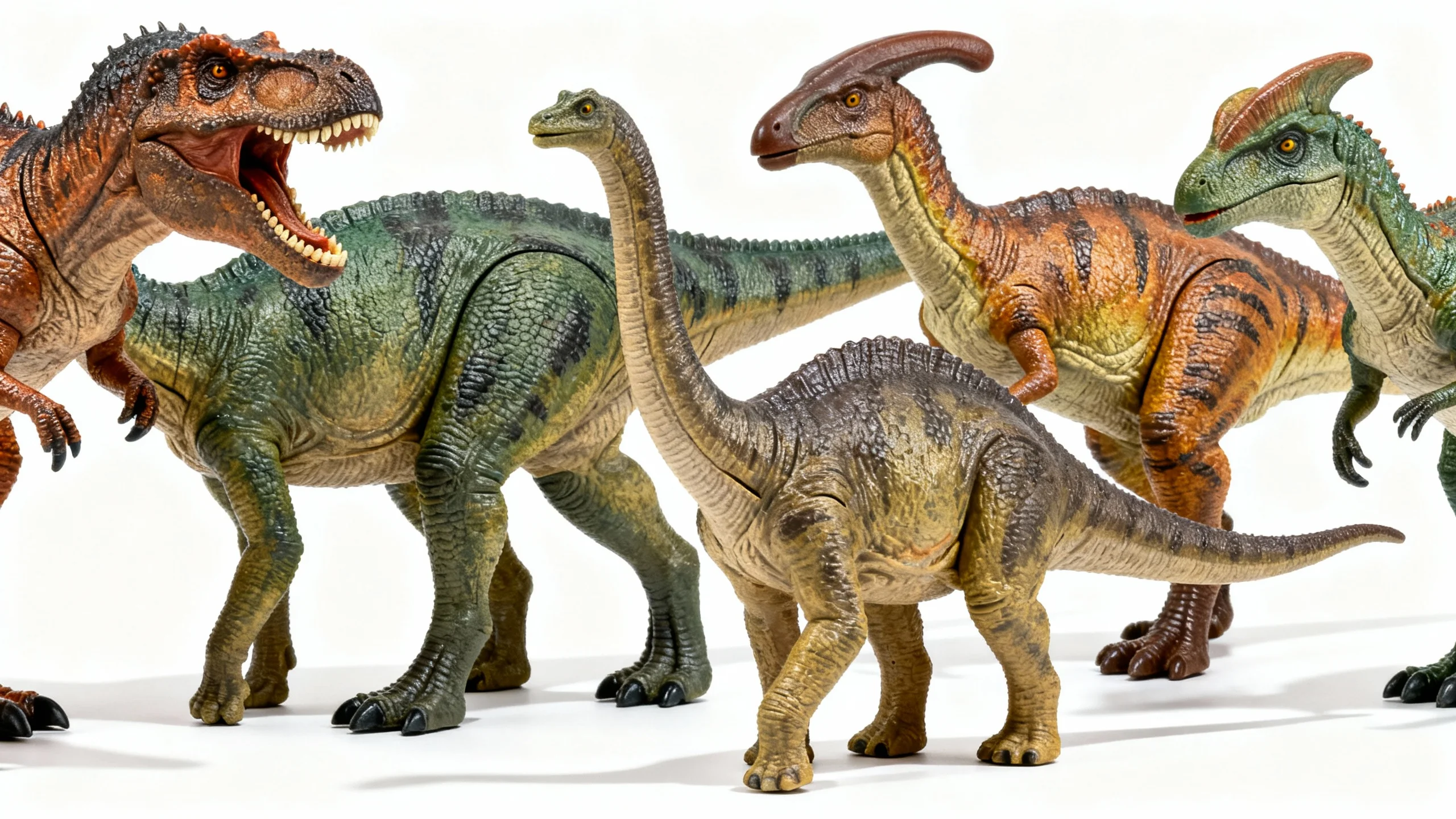
The shift from generic green sauropods to scientifically grounded dinosaur toys — feathered raptors, correct posture, named species, anatomically faithful proportions — has been the biggest children’s-toy realism story of the last decade. This guide picks the toys whose accuracy is good enough to satisfy a paleontologist parent.
Smithsonian Dinosaur Plush Series
The Smithsonian-licensed plush range (manufactured by Wild Republic) is the rare commercial plush line that uses current paleontological illustration — feathered raptors, horizontal T-Rex posture, accurate proportions for sauropods. Sized 25–30 cm, polyester, machine-washable, under €30. The closest you can get to museum-grade in plush form.
| Scientifically Accurate Dinosaur Toys — at a glance | Notes | Age | Score |
|---|---|---|---|
| Smithsonian Dinosaur Plush Editor's PickSmithsonian-licensed | Feathered raptors, correct posture | 0+ | 92 |
| PNSO 1:35 Scale Figurines Collector gradePNSO | Resin, museum-grade detail | 8+ | 94 |
| CollectA Dinosaur ModelsCollectA | PVC, anatomically grounded | 4+ | 88 |
| NHM Build-a-Skeleton KitNHM-licensed | Model bones, articulated | 8+ | 90 |
| Schleich Dinosaur FigurinesSchleich | PVC, mid-quality detail | 3+ | 85 |
Frequently asked questions
What makes a dinosaur toy scientifically accurate?
Why do most dinosaur toys still depict bare-skinned reptilian dinosaurs?
Are PNSO dinosaur figurines worth the price?
What's the most age-flexible scientifically accurate dinosaur toy?
Are there scientifically accurate dinosaur picture books?
Our previous picks (preserved with affiliate links)
The list below is the original article we published earlier. The editorial bundle above represents our current analysis as of the last-reviewed date.
Why Scientific Accuracy Matters in Dinosaur Toys
For many kids, dinosaurs are a first gateway into the world of science. The right dinosaur toy can do more than entertain—it can ignite curiosity, encourage observation, and even lay the groundwork for critical thinking. But not all dinosaur toys are created equal. When we talk about scientifically accurate dinosaur figures, we mean models that reflect the latest paleontological discoveries, from the shape of a Velociraptor’s sickle claw to the feathered coat of a young T. rex.
Why does this level of detail matter? Children are natural scientists, constantly forming ideas about the world. When they play with toys that accurately represent real creatures, they build a more authentic understanding of natural history. This isn’t just about trivia—it’s about nurturing a mindset that values evidence, observation, and the excitement of discovery.
Museum-quality dinosaur toys are often designed in collaboration with paleontologists. These experts ensure that the proportions, textures, and even the postures of the models reflect what we know from the fossil record. For example, many older toys depict dinosaurs dragging their tails, but modern research shows that most species held their tails aloft for balance. When children see these details in their toys, they’re learning to appreciate the evolving nature of scientific knowledge.
There’s also a practical benefit: accurate models can be used as educational tools in classrooms and at home. They help kids visualize concepts like adaptation, extinction, and evolution. And for families who love visiting museums or reading about new fossil finds, having toys that match what’s on display can make those experiences even richer.
We’ve also noticed that children who play with well-made, accurate dinosaur toys tend to treat them with more care. There’s a sense of respect that comes from knowing you’re holding a miniature version of a real animal, not just a generic monster. This can foster a deeper connection to science and a lifelong love of learning.
Here’s what we love:
Most Accurate Dino Figures
Features That Define Museum-Quality Dinosaur Models
So, what sets a museum-quality dinosaur toy apart from the rest? It’s a combination of scientific rigor, craftsmanship, and thoughtful design. Let’s break down the features that matter most when you’re searching for the best options for your young paleontologist.
First, anatomical accuracy is key. The best models are based on up-to-date fossil evidence, which means you’ll see details like the correct number of claws, the right body proportions, and even the presence (or absence) of feathers. For example, many modern reconstructions of Velociraptor and other dromaeosaurs include feathers, reflecting discoveries made in the last two decades. This level of detail helps children understand that science is always evolving as we learn more.
Second, realistic coloration is important, even though we can’t always know exactly what colors dinosaurs were. Museum-quality toys often use muted, plausible palettes based on fossilized pigments or comparisons with modern animals, rather than the neon hues found on many mass-market toys. This encourages kids to think about how animals use color for camouflage, display, or other purposes.
Another hallmark is material quality. High-end dinosaur models are typically made from durable, non-toxic materials that can withstand years of play and display. Some are even hand-painted, with textures that mimic scales, feathers, or skin folds. This attention to detail not only makes the toys more appealing but also safer and longer-lasting—a lesson we’ve learned from the world of bath toys, where thoughtful design and easy cleaning can make all the difference in longevity and hygiene [1].
Pose and posture also matter. Museum-quality figures are often posed in dynamic, lifelike stances that reflect how paleontologists believe these animals moved. This is a big step up from the static, upright poses of older toys. A running Deinonychus or a stalking Allosaurus invites imaginative play and helps children visualize how these creatures interacted with their environment.
Finally, some of the best models come with educational extras—fact cards, booklets, or QR codes that link to further resources. These additions can spark deeper exploration and support STEM learning at home.
Parents are loving these:
Best Museum-Quality Models
Our Favorite Picks: Dinosaur Toys That Bring Prehistory to Life
When it comes to choosing dinosaur toys that truly stand out, we look for models that combine scientific accuracy, durability, and that special spark of wonder. Here are some of our favorite picks that meet these criteria and are sure to delight both kids and adults.
Brands like Safari Ltd., CollectA, and Papo have earned a reputation for collaborating with paleontologists to create figures that are as close to the real thing as possible. These companies pay attention to the latest research, updating their sculpts as new discoveries are made. For example, Safari Ltd.’s feathered Velociraptor reflects the current understanding that many raptors were more bird-like than lizard-like.
We’re also seeing a rise in 3D-printed dinosaur models, which allow for even greater precision and customization. Thanks to advances in home 3D printing technology, it’s now possible to create highly detailed models with sub-millimeter accuracy [2][4]. This means families can even print their own dinosaurs based on open-source files from scientific institutions, bringing a whole new level of engagement to the hobby.
For younger children, it’s important to balance accuracy with age-appropriate design. Some museum-quality brands offer softer, chunkier versions of their figures for toddlers, ensuring safety without sacrificing educational value. And for bath time, there are even dinosaur toys designed to resist mold and bacteria, echoing the thoughtful engineering we appreciate in the best bath toys [1].
We also love sets that include a range of species, from the ever-popular T. rex to lesser-known herbivores like Parasaurolophus or Stegosaurus. This variety encourages kids to learn about the diversity of prehistoric life, not just the “big names.” Some sets even include mini fact sheets or links to digital resources, supporting deeper dives into paleontology.
For families who enjoy hands-on projects, assembling and painting a dinosaur model kit can be a fantastic way to combine art, science, and fine motor skills. These kits often come with detailed instructions and background information, making them a great choice for older kids or family projects.
Worth checking out:
Favorite Dino Toy Sets
Caring for and Displaying Your Dinosaur Collection
Once you’ve curated a collection of museum-quality dinosaur toys, it’s worth taking a little extra care to keep them looking their best. These models are built to last, but a few simple habits can help preserve their detail and educational value for years to come.
First, regular gentle cleaning is important, especially for toys that see a lot of play. Use a soft brush or cloth to remove dust, and avoid harsh chemicals that could damage paint or materials. For bath-friendly dinosaur toys, look for designs that are easy to open and clean, minimizing the risk of mold and bacteria—just as you would with any high-quality bath toy [1].
When it comes to displaying your collection, consider using shelves or shadow boxes that keep the figures safe from falls and direct sunlight, which can fade colors over time. Some families like to create themed displays, grouping dinosaurs by era or habitat, which can turn a bedroom or playroom into a mini natural history museum.
If your child is especially passionate, encourage them to label their dinosaurs or create their own “exhibit cards.” This not only reinforces learning but also gives them a sense of ownership and pride in their collection. For older kids, 3D printing accessories like display stands or nameplates can add a custom touch, and today’s home 3D printers make these projects more accessible than ever [2][4].
Finally, remember that these toys are meant to be enjoyed. Encourage imaginative play, storytelling, and even a little friendly debate about which dinosaur would win in a (scientifically plausible) showdown. The goal is to foster a love of science and discovery that will last a lifetime.
Ready to shop?
Clever Display Solutions
Whether your child dreams of becoming a paleontologist or simply loves the thrill of prehistoric creatures, choosing scientifically accurate, museum-quality dinosaur toys is a wonderful way to nurture their curiosity. These thoughtfully crafted models do more than fill a toy box—they open up a world of discovery, learning, and imagination that can last for years to come.
Sources
[1] The 15 Best Bath Toys of 2025 | Reviews by Wirecutter — https://www.nytimes.com/wirecutter/reviews/best-bath-toys/
[2] The 3 Best 3D Printers of 2025 | Reviews by Wirecutter — https://www.nytimes.com/wirecutter/reviews/best-home-3d-printer/
[3] BabyCenter | The Most Accurate & Trustworthy Pregnancy … — https://www.babycenter.com/
[4] My Entire Job Is Based on Testing 3D Printers and These Are the … — https://www.cnet.com/tech/computing/best-3d-printer/
[5] The 12 Best Skateboards for Kids Will Have Them Shredding in No … — https://www.parents.com/best-skateboards-for-kids-8716112