
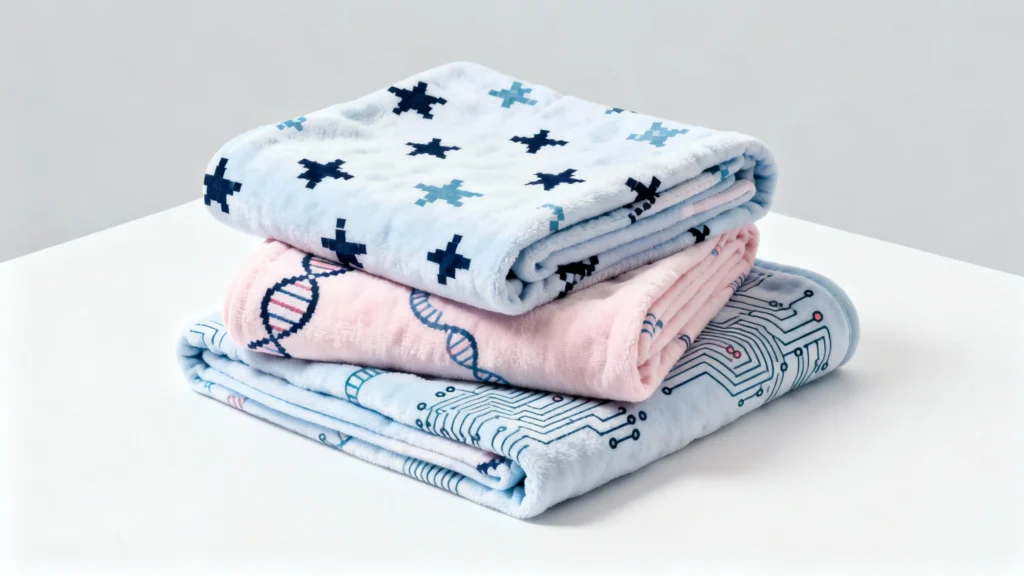
The Role of Receiving Blankets in the Hospital
Welcoming a new baby into the world is a moment packed with emotion, anticipation, and—let’s be honest—a bit of logistical planning. Among the essentials that often get overlooked in the flurry of hospital bag checklists is the humble receiving blanket. These simple squares of fabric are more than just a soft landing for your newborn; they’re the first wraps that offer comfort, warmth, and a sense of security in those earliest hours.
In the hospital, receiving blankets serve as the baby’s first introduction to the outside world. The transition from the womb’s snug environment to the bright, bustling delivery room can be overwhelming for a newborn. Wrapping your baby in a soft, breathable blanket helps recreate that familiar, contained feeling, providing immediate comfort and reducing stress. This isn’t just anecdotal—there’s real science behind why swaddling works so well in those first days.
One of the key reasons swaddling is so effective is its impact on the Moro reflex, sometimes called the startle reflex. Newborns are born with this involuntary response, which causes them to fling their arms and legs out when they feel a sudden loss of support. It’s believed this reflex evolved to help infants cling to their caregivers, but in a hospital bassinet, it often leads to sudden awakenings and tears. Swaddling with a receiving blanket gently contains these movements, helping babies sleep more soundly and giving parents a precious window of rest [1].
Hospitals typically provide their own standard-issue blankets—think classic white with pink and blue stripes—but many parents prefer to bring their own. Why? Hospital blankets are functional, but they’re not always the softest or most personal. Bringing a few of your own receiving blankets ensures your baby’s first wraps are gentle on sensitive skin and reflect your family’s unique style. Plus, having extras on hand is practical for quick changes after inevitable spit-ups or diaper leaks.
When packing your hospital bag, consider including at least two or three receiving blankets. This allows for rotation if one gets soiled and gives you options for swaddling, burping, or even creating a cozy surface for skin-to-skin time. Many parents find that these blankets quickly become sentimental keepsakes, holding memories of those first snuggles and sleepy newborn stretches.
Here’s what we love:
First Snuggle Essentials
Choosing the Right Receiving Blanket for Your Baby
Not all receiving blankets are created equal, and choosing the right one can make a real difference for both baby and parent. The first consideration is always material. Newborn skin is delicate and prone to irritation, so opt for blankets made from natural fibers like organic cotton or bamboo. These materials are not only soft but also breathable, helping to regulate your baby’s temperature and reduce the risk of overheating.
Breathability is especially important in those early days, as newborns are still learning to regulate their own body heat. A lightweight, airy blanket keeps your baby comfortable without trapping excess warmth. Look for blankets that feel soft to the touch and have a bit of stretch—this makes swaddling easier and ensures a snug, secure wrap without being too restrictive.
Size and versatility are also key factors. Most receiving blankets are around 30 by 30 inches, which is ideal for swaddling newborns, but some parents prefer slightly larger options for added flexibility. A generously sized blanket can double as a nursing cover, burp cloth, or stroller shade, making it a true multitasker in your parenting toolkit.
Ease of use matters, too—especially in the sleep-deprived haze of new parenthood. Blankets with a bit of stretch or a square shape are easier to fold and wrap securely, even for those of us who never quite mastered the art of hospital-corner bed making. If you’re new to swaddling, there are plenty of tutorials online, but a well-designed blanket can make all the difference in achieving that snug, burrito-like wrap.
Of course, for many families, the design of the blanket is just as meaningful as its function. This is where you can let your personality shine. Whether you’re drawn to science-themed prints, whimsical constellations, or subtle geometric patterns, there’s a receiving blanket out there that celebrates your family’s interests. Thoughtful designs can spark curiosity from day one and make those first photos extra special.
When building your baby registry or shopping for hospital essentials, consider including a mix of classic and playful designs. Some parents even choose blankets that coordinate with their nursery theme or family traditions. These small details help create a sense of continuity and belonging for your newest family member.
Parents are loving these:
Standout Swaddle Styles
Transitioning Beyond the First Swaddle
Swaddling is a time-honored tradition, but it’s not meant to last forever. As your baby grows and develops new skills, there comes a point when it’s time to move on from the classic receiving blanket wrap. Recognizing these cues is an important part of supporting your baby’s development and ensuring a safe sleep environment.
One of the clearest signs that it’s time to stop swaddling is when your baby starts rolling over. Most babies reach this milestone between four and six months, though some may do so a bit earlier or later [1]. Once rolling begins, swaddling can become risky, as a swaddled baby who rolls onto their stomach may not be able to reposition themselves safely. The risk of Sudden Infant Death Syndrome (SIDS) increases if a swaddled baby ends up face down, so it’s crucial to transition away from swaddling as soon as rolling is observed [1].
But how do you make this transition without sacrificing sleep for everyone involved? Many parents find that moving to a sleep sack or wearable blanket is a gentle next step. These products offer some of the comforting containment of a swaddle but allow for greater freedom of movement, reducing the risk associated with rolling. Sleep sacks come in a variety of materials and thicknesses, so you can choose one that matches your baby’s needs and the season.
Some families opt for a gradual approach to weaning off the swaddle. This might mean leaving one arm out at first, then both, before switching to a sleep sack entirely [1]. Others find that their baby is ready to go “cold turkey” and sleep unswaddled, especially if they’ve already been napping without a swaddle in the car seat or stroller. Trust your instincts and your baby’s cues—every child is different, and there’s no one-size-fits-all timeline.
As your baby transitions out of swaddling, focus on creating a safe sleep environment. This means keeping the crib free of loose blankets, pillows, and toys, and always placing your baby on their back to sleep. A well-fitted sleep sack or wearable blanket can provide warmth and comfort without the hazards of loose bedding.
It’s also worth noting that some babies continue to enjoy the comfort of a swaddle-like wrap for longer than others. If your little one is still content and not rolling over, it’s generally safe to continue swaddling for a bit longer, but always stay alert for signs of increased mobility [1]. For those who love the ritual of wrapping, there are transitional products—like the Zipadee-Zip—that offer a middle ground between swaddle and sleep sack.
As your baby grows, receiving blankets often find new life as lovies, stroller covers, or even impromptu picnic mats. Their versatility extends well beyond the newborn stage, making them a smart, lasting investment for curious, creative families.
Worth checking out:
Smart Sleep Solutions
Welcoming your baby with thoughtfully chosen receiving blankets is about more than just softness and style—it’s about creating a gentle, secure start for your newest family member. From those first hospital snuggles to the transition into independent sleep, the right blanket supports comfort, safety, and a sense of belonging. Here’s to many cozy moments and sweet discoveries ahead.
Sources
[1] Weaning Off the Swaddle Blanket — https://www.lucieslist.com/weaning-off-the-swaddle/
[2] Jordan Tojo and Colton Robbins’ Baby Registry at Babylist — https://my.babylist.com/jordan-tojo
[3] How Many Newborn Baby Clothes Do I Need (and in What Sizes)? — https://www.babylist.com/hello-baby/how-many-baby-clothes-do-i-need
[4] The 9 Best Weighted Blankets of 2025 | Reviews by Wirecutter — https://www.nytimes.com/wirecutter/reviews/best-weighted-blankets/
[5] 18 Unique Baby Shower Themes — https://www.thebump.com/a/baby-shower-ideas