
Why Eye Protection Matters for Babies
When we think about protecting our babies, we often focus on sunscreen, hats, and shade. But eye protection is just as essential—especially for little scientists who are eager to observe every detail of the world around them. Babies’ eyes are not just smaller versions of adult eyes; they’re still developing, and that makes them uniquely vulnerable to the sun’s ultraviolet (UV) rays.
The science is clear: UV exposure can cause cumulative damage to the eyes over time, increasing the risk of cataracts, retinal injury, and even certain types of skin cancer around the eyelids later in life. The American Academy of Ophthalmology recommends starting sunglasses as soon as your child will tolerate them—sometimes as early as age one—because even on cloudy days, UV rays can penetrate and cause harm [2]. Babies’ lenses are more transparent than adults’, allowing more UV to reach the retina, which is why early protection is so crucial.
It’s not just about long-term health, either. Short-term exposure to intense sunlight can cause discomfort, squinting, and even photokeratitis—a kind of sunburn on the surface of the eye. For babies who love to look up at the sky, watch clouds, or explore the outdoors, sunglasses make a real difference in comfort and safety.
Everyday scenarios can expose babies to more UV than we realize. A stroll in the stroller, a day at the park, or even a quick trip in the car can all add up. Surfaces like water, sand, and snow reflect UV rays, increasing exposure. And since babies are often outside during peak sunlight hours, consistent eye protection is a smart habit to build early [2].
We also know that babies are natural experimenters—throwing, dropping, and testing the limits of every object they encounter [4]. Sunglasses that are designed for durability and comfort help ensure that protection stays put, even during the most enthusiastic explorations.
Worth checking out:
Best Sun Safety Essentials
What to Look for in Baby Sunglasses
Choosing the right sunglasses for your baby is about more than just style (though we love a cute pair!). The most important feature is UV protection. Look for lenses labeled as blocking 99% to 100% of both UVA and UVB rays, or marked as “UV400”—this means they block all UV light with wavelengths up to 400 nanometers, which covers the full spectrum of harmful rays [2].
Fit and comfort are next on the list. Babies are unlikely to keep sunglasses on if they pinch, slide off, or feel heavy. Flexible, lightweight frames made from soft materials like rubber or silicone are ideal for little faces. Adjustable straps can help keep sunglasses in place during active play, and a snug but gentle fit prevents them from slipping or leaving marks.
Durability is a must for curious explorers. Impact-resistant lenses and shatterproof frames can withstand drops, twists, and the occasional enthusiastic toss. We’ve seen firsthand how quickly a pair of sunglasses can become a science experiment in itself—so look for brands that stand behind their products with warranties or replacement policies [2].
Polarization is another feature to consider. Polarized lenses reduce glare from reflective surfaces like water, sand, or snow, making outdoor adventures more comfortable for sensitive eyes. However, polarization does not add UV protection—it simply improves visual comfort by filtering out certain light waves [2]. For most babies, UV protection is the priority, but if your family spends a lot of time near water or in bright environments, polarization is a helpful bonus.
Safety certifications matter, too. Trusted brands will clearly state their compliance with safety standards and provide information about their materials. Avoid sunglasses with small, detachable parts that could pose a choking hazard, and check for smooth, rounded edges.
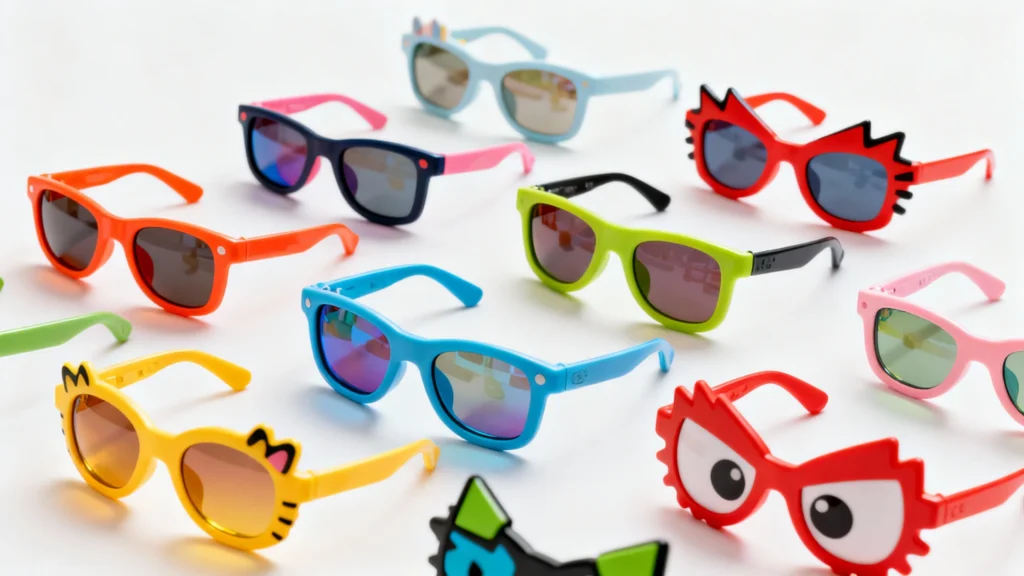
Finally, consider the design and colors. While function comes first, fun colors and playful shapes can make sunglasses more appealing to babies and toddlers. Some brands even offer matching sets with hats or cases, turning sun safety into a mini science kit for your little one.
Parents are loving these:
Most Reliable Eye Protection
Our Top Picks: Sunglasses for Little Scientists
We’ve tested and researched dozens of options to find sunglasses that balance protection, comfort, and durability—because we know that the best sunglasses are the ones your child will actually wear. Here are some of our favorite finds for babies and toddlers who are ready to explore the world with confidence.
For all-around performance, the Babiators Original Navigators stand out. These sunglasses feature flexible rubber frames and impact-resistant UV400 lenses, offering full-spectrum protection and serious durability. In real-world tests, they survived twisting, stomping, and all manner of toddler experiments without a scratch. They come in multiple sizes (from newborn to age 6+), and the brand’s replacement policy means you’re covered if they get lost or broken within the first year [2].
If you’re looking for a budget-friendly option, the Rivbos Kids Sunglasses Polarized UV Protection are a smart pick. They offer polarized lenses for glare reduction, full UV400 protection, and a lightweight, flexible frame that’s comfortable for all-day wear. These sunglasses are especially great for families who spend time near water or sand, where glare can be intense [2].
For babies who are just starting to wear sunglasses, the Baby Banz Ultimate Polarized Sunglasses are designed with comfort in mind. The soft, adjustable strap keeps them securely in place, and the wraparound design offers extra coverage for little eyes. The frames are made from hypoallergenic materials, and the lenses block 100% of UVA and UVB rays [2].
Durability is key for active kids, and the Cocosand Classic Square Baby Sunglasses with Strap deliver. These sunglasses are nearly unbreakable, with shatterproof lenses and a flexible, chew-safe frame. The included strap helps keep them on even during the most energetic play sessions.
Style matters, too. Brands like Knockaround and WeeFarers offer playful colors and modern shapes that appeal to both kids and parents. When sunglasses look fun, babies are more likely to keep them on—turning sun safety into a positive, everyday habit.
We also appreciate brands that prioritize safety and transparency. Look for clear labeling of UV protection, BPA-free materials, and age-appropriate sizing. Some brands even offer matching accessories, like hats or carrying cases, to make sun protection a seamless part of your child’s routine.
Ready to shop?
Adventure-Ready Sunglasses
Tips for Helping Babies Wear and Love Their Sunglasses
Getting a baby to wear sunglasses can feel like a science experiment in itself. But with a little patience and creativity, you can help your child build a lifelong habit of eye protection—one that will serve them well as they continue to explore, experiment, and learn.
Start by making sunglasses part of your daily routine. Put them on before heading outside, just like you would with a hat or sunscreen. Babies thrive on consistency, and when sunglasses become a regular part of getting ready, they’re less likely to resist [2].
Encourage curiosity by letting your child handle and explore their sunglasses. Babies are natural scientists, eager to test and observe. Show them how the lenses change the way things look, or let them try on your own sunglasses for fun. Positive reinforcement—like clapping, smiling, or offering a favorite toy—can help build a connection between sunglasses and happy outdoor experiences.
If your baby is in a throwing phase (and let’s be honest, most are at some point), try to redirect that energy. Offer safe objects for throwing indoors, and gently explain that sunglasses are for wearing, not tossing [4]. Modeling the behavior yourself—by wearing your own sunglasses—can also make a big difference. Babies love to imitate, and seeing you protect your eyes reinforces the habit.
Caring for baby sunglasses is simple but important. Rinse lenses with water to remove sand or dirt, and use a soft cloth to avoid scratches. Store sunglasses in a case or soft pouch when not in use, and check regularly for loose parts or damage.
Finally, remember that building new habits takes time. If your baby resists at first, keep trying in short bursts, and celebrate small successes. Over time, wearing sunglasses will become second nature—just another tool in your little scientist’s kit for exploring the world safely.
Here’s what we love:
Sun-Ready Accessories
As parents who value science, creativity, and thoughtful choices, we know that protecting our babies’ eyes is about more than just looking cute—it’s an investment in their future discoveries. With the right sunglasses, a little patience, and a sense of adventure, you’re setting your little scientist up for a lifetime of healthy exploration. Happy adventuring!
Sources
[1] 6 natural ways to choose your baby’s sex – and their success rates — https://www.madeformums.com/getting-pregnant/6-natural-ways-to-choose-your-babys-sex-and-their-success-rates/
[2] The Best Sunglasses for Kids Tested by Our Own Little Ones — https://www.parents.com/best-sunglasses-for-kids-8584340
[3] BabyCenter | The Most Accurate & Trustworthy Pregnancy … — https://www.babycenter.com/
[4] Why your toddler is throwing things and what to do | BabyCenter — https://www.babycenter.com/toddler/behavior/throwing_1200989
[5] Baby Proofing Checklist — https://www.thebump.com/a/checklist-babyproofing-part-1