
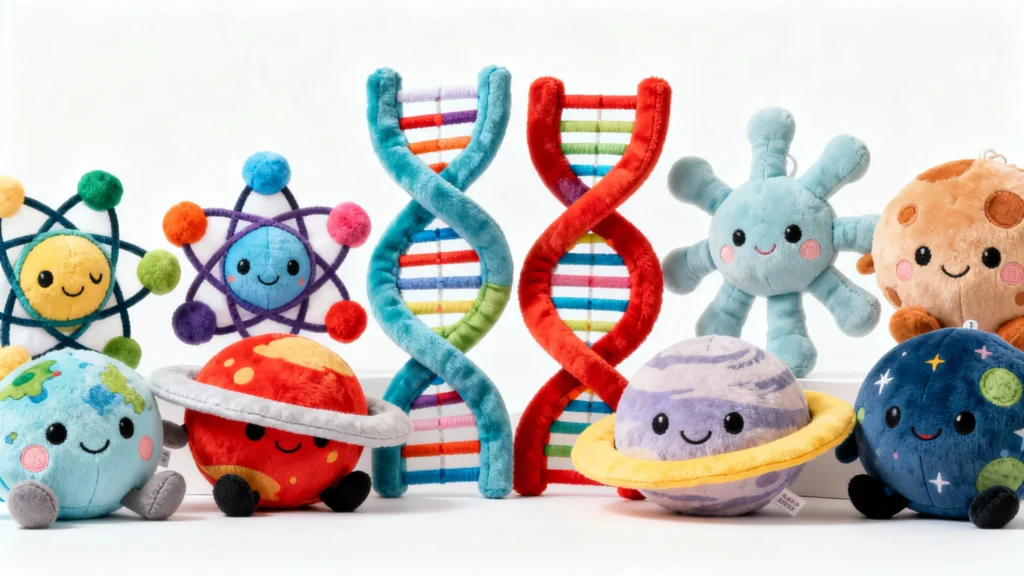
The Science of Comfort: Why Stuffed Animals Matter
Stuffed animals are more than just cute additions to a nursery shelf—they are powerful tools for comfort and development. From a scientific perspective, these plush companions serve as transitional objects, a term used in psychology to describe items that help children manage anxiety and navigate changes in their environment. The act of cuddling a soft toy can provide a sense of security, especially during moments of stress or separation, such as bedtime or starting daycare. Experts note that this comfort is rooted in the way stuffed animals are “just personified enough to provide a bit of social comfort,” making them ideal for self-soothing and emotional regulation [1].
The benefits of stuffed animals extend beyond infancy. Research has shown that even adults turn to plush toys for comfort during stressful times, highlighting the universal appeal of these objects. In a 2017 survey, 40% of adults who own or once owned a stuffed animal reported still sleeping with one, underscoring the enduring nature of this attachment [1]. The simple act of hugging a stuffed animal has been associated with stress relief, as physical touch can lower stress hormones and promote a sense of calm.
For babies, the sensory experience of a stuffed animal is especially important. Newborns and young infants are drawn to soft textures, gentle sounds, and contrasting colors. These features not only provide comfort but also stimulate developing senses. As babies grow, their interactions with plush toys evolve—what begins as a source of tactile comfort can become a prop for imaginative play and social learning. The presence of a beloved stuffed animal can help establish calming bedtime routines, which are crucial for healthy sleep habits. Sleep psychologists emphasize that consistent rituals, like cuddling a favorite plush friend, teach the brain to associate bedtime with relaxation and security [1].
Stuffed animals also play a role in language development and social skills. When children engage in pretend play with their plush companions, they practice storytelling, empathy, and communication. These early interactions lay the groundwork for more complex social behaviors as they grow older. The importance of these experiences is supported by developmental research, which highlights the value of toys that encourage imaginative play and emotional expression [3].
Here’s what we love:
Science of Snuggles
Choosing the Right Cuddly Companion for Every Age
Selecting the perfect stuffed animal for your child isn’t just about picking the cutest face on the shelf. It’s about matching the toy to your child’s developmental stage, interests, and unique needs. Babies, toddlers, and older children all benefit from different features in their plush friends, and understanding these differences can help you make thoughtful choices.
For newborns and infants, safety is paramount. Babies explore the world with their mouths, so opt for stuffed animals that are soft, washable, and free of small parts. Look for high-contrast colors and varied textures, as these stimulate visual and tactile senses. Toys that crinkle, squeak, or rattle can engage a baby’s curiosity and support sensory development. Experts recommend plush toys with smiling faces and gentle expressions, as these are most appealing to young infants [3].
As your child approaches their first birthday, their motor skills and curiosity blossom. At this stage, stuffed animals can be slightly larger and more interactive. Choose plush toys that are easy to grasp, squeeze, and carry around. Some stuffed animals for toddlers incorporate simple cause-and-effect features, like hidden squeakers or textured tags, which encourage exploration and fine motor development [3]. For children who are teething, plush toys with nubby textures can provide soothing relief.
By the time children reach preschool age, their play becomes more purposeful and imaginative. Stuffed animals become characters in elaborate stories, tea parties, and adventures. At this stage, it’s helpful to offer a variety of plush friends—different animals, sizes, and even science-themed options—to inspire creativity and role-play. Props for make-believe play, such as a toy doctor’s kit or a miniature lab coat, can turn a favorite stuffed animal into a patient, a scientist, or a space explorer [3].
Older children, including those in elementary school, may develop strong attachments to specific plush toys or start collecting them. Some kids gravitate toward collectible plush lines like Squishmallows, which come in a dazzling array of characters, including science-themed creatures and even Pokémon. These plush toys often double as room décor or extra pillows, providing comfort during reading or homework time [2]. For tweens, the appeal of stuffed animals may shift from active play to collecting, decorating, or simply enjoying the tactile comfort they provide.
No matter your child’s age, always check for age-appropriate safety features. Avoid toys with loose buttons, ribbons, or poorly secured eyes for younger children. For older kids, consider their interests—whether it’s dinosaurs, robots, or marine life—and choose plush friends that reflect their passions.
Parents are loving these:
Age-Perfect Plush Picks
Inspiring Curiosity: Science-Themed Stuffed Animals for Little Learners
For families who value science and creativity, stuffed animals can be more than just comfort objects—they can be gateways to discovery. Science-themed plush toys introduce children to the wonders of the natural world, technology, and even the microscopic universe, all through the lens of play.
Animal plushies are a classic choice, but today’s options go far beyond the traditional teddy bear. You’ll find plush representations of everything from dinosaurs and endangered species to sea creatures and insects. These toys can spark conversations about evolution, habitats, and conservation. For example, a plush axolotl or tardigrade can open the door to discussions about adaptation and resilience, while a cuddly octopus might inspire curiosity about marine biology.
Some brands offer plush versions of microbes, cells, and organs—think smiling neurons, mitochondria, or even a plush heart. These quirky companions make abstract scientific concepts tangible and fun. They’re especially appealing to older children who are starting to ask “how” and “why” questions about the world around them. A plush DNA helix or a friendly bacterium can turn a science lesson into a snuggly experience, reinforcing learning through play.
For children fascinated by space and technology, look for plush astronauts, rockets, or even robots. These toys can encourage an early interest in STEM fields and provide a springboard for imaginative adventures. Pairing a plush rover with a book about Mars or a cuddly astronaut with glow-in-the-dark stars can transform bedtime into a mini science exploration.
Stuffed animals can also support emotional learning by representing diverse creatures and perspectives. A plush animal from a faraway ecosystem can prompt empathy and curiosity about different environments and cultures. When children care for their plush friends, they practice nurturing behaviors and develop a sense of responsibility.
For older kids, collectible plush lines like Squishmallows often feature science-inspired characters, from marine animals to fantasy creatures with a scientific twist. These plushies are not only fun to collect but also serve as conversation starters about biology, physics, or even chemistry [2]. Displaying a collection of science-themed plush toys can turn a child’s room into a mini natural history museum, fueling ongoing curiosity.
To deepen the learning experience, pair science-themed stuffed animals with books, puzzles, or activity kits that explore related topics. For example, a plush dinosaur can accompany a fossil excavation kit, or a plush bee can be matched with a book about pollinators. These combinations create rich, multi-sensory learning opportunities that engage both the heart and the mind.
Worth checking out:
Clever Science Friends
Caring for Your Baby’s Plush Friends: Safety, Cleanliness, and Longevity
A beloved stuffed animal can become a constant companion, so it’s important to keep these plush friends safe, clean, and in good condition. Babies and young children are especially prone to mouthing and snuggling their toys, making regular cleaning essential for health and hygiene.
Start by choosing machine-washable stuffed animals whenever possible. Look for labels that specify washing instructions, and use gentle, fragrance-free detergents to avoid irritating sensitive skin. For plush toys that can’t go in the washing machine, spot cleaning with mild soap and water is usually effective. Make sure to dry toys thoroughly to prevent mold and mildew.
Inspect stuffed animals regularly for loose seams, buttons, or other hazards. Repair any damage promptly to prevent small parts from becoming choking risks. For babies and toddlers, avoid plush toys with glued-on decorations or poorly secured eyes. Instead, opt for embroidered features and sturdy stitching.
To extend the life of a favorite plush friend, consider rotating toys so that no single stuffed animal gets worn out too quickly. Having a backup of a beloved toy can be a lifesaver if the original is lost or needs a deep clean. For children with allergies, choose hypoallergenic materials and wash plush toys frequently to minimize dust and allergens.
As children grow, their attachments to specific stuffed animals may change, but the memories and comfort these toys provide often last a lifetime. Some families choose to preserve special plush friends as keepsakes, passing them down to younger siblings or saving them as mementos of childhood.
Finally, remember that the ritual of caring for stuffed animals—washing, repairing, and even tucking them in at night—can be a meaningful part of your child’s routine. These small acts teach responsibility, empathy, and the value of taking care of cherished belongings.
Ready to shop?
Plush Care Essentials
Whether your child’s plush companion is a classic teddy bear, a smiling microbe, or a space-faring robot, these cuddly science friends offer comfort, spark curiosity, and create lasting memories. Thoughtfully chosen and lovingly cared for, stuffed animals can be both a source of joy and a foundation for lifelong learning.
Sources
[1] The Case for Sleeping With Stuffed Animals as an Adult | Wirecutter — https://www.nytimes.com/wirecutter/blog/adults-who-sleep-with-stuffed-animals/
[2] 43 Best Gifts for 10-Year-Olds 2025 | The Strategist — https://nymag.com/strategist/article/best-gifts-toys-games-for-10-year-olds.html
[3] Best Toys for 1-Year-Olds and Beyond: A Guide — https://www.parents.com/fun/toys/kid-toys/toys-for-all-ages/
[4] Top Awards for Toys: 2022 Good Housekeeping Best Toy Awards — https://www.goodhousekeeping.com/childrens-products/toy-reviews/a41544109/good-housekeeping-toy-awards-2022/
[5] 7 Best Newborn Toys, Tested by babies in 2025 — https://www.thebump.com/a/newborn-toys