
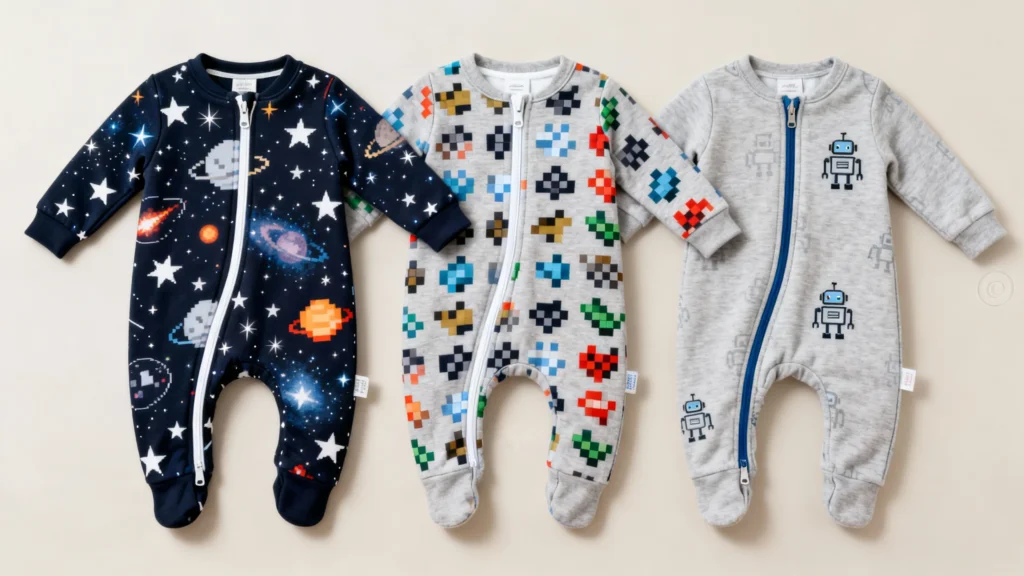
Understanding One-Piece Sleepers: Features That Make a Difference
When it comes to baby sleepwear, one-piece sleepers are a marvel of thoughtful design. These all-in-one pajamas, sometimes called footies or sleepsuits, are engineered for both comfort and safety—two priorities that matter deeply to every parent. Let’s break down the features that set the best sleepers apart and help you make informed choices for your little one.
Materials and Breathability are at the heart of a good sleeper. Babies have sensitive skin and limited ability to regulate their own temperature, so the fabric you choose matters. Natural fibers like cotton and bamboo are perennial favorites for their softness and breathability, helping to prevent overheating and skin irritation. Some brands offer organic options, which can be especially reassuring for families concerned about chemical exposure or allergies. For cooler months, you’ll find sleepers in cozy fleece or thermal knits, but it’s important to balance warmth with the risk of overheating—always a consideration for safe sleep.
Fastenings and Accessibility are more than just a convenience; they can make or break those late-night diaper changes. Zippers are a parent’s best friend for their speed and simplicity, especially when they run from neck to ankle. Look for two-way zippers that allow you to open from the bottom for quick changes without fully undressing your baby. Snaps are classic and reliable, but can be fiddly in the dark or when you’re half-asleep. Magnetic closures are a newer innovation, offering silent, one-handed operation—just be sure they’re securely sewn and meet safety standards.
Fit, Sizing, and Room to Grow are crucial for both comfort and safety. A sleeper should be snug enough to avoid bunching or riding up, but not so tight that it restricts movement or growth. Many brands offer preemie, newborn, and a range of infant sizes, with some including fold-over cuffs for hands and feet to extend wear as your baby grows. Always check the manufacturer’s sizing chart, as fit can vary widely between brands.
Safety Standards and Sleep Guidelines should guide every sleepwear purchase. The American Academy of Pediatrics recommends dressing babies in one more layer than an adult would wear to be comfortable, and always placing them on their backs to sleep on a firm, flat surface. Avoid any sleepers with loose ribbons, decorative buttons, or hoods, as these can pose choking or suffocation hazards. Look for labels indicating compliance with flame resistance standards—either inherently flame-resistant fabrics or snug-fitting designs that don’t require chemical treatments [5].
Here’s what we love:
Smart Sleepwear Features
Matching Sleepers to Your Baby’s Needs and Seasons
Babies’ sleep needs evolve rapidly, and so do the demands on their sleepwear. Choosing the right one-piece sleeper means considering your child’s age, activity level, and the climate in your home.
Newborn Essentials: Swaddles and Footed Sleepers
For the first few weeks, many parents rely on swaddles or snug-fitting footed sleepers. Swaddling can help calm the startle reflex and promote longer stretches of sleep, but it’s important to transition out of swaddles as soon as your baby shows signs of rolling. Footed sleepers are a safe, practical choice for newborns, keeping tiny toes warm without the need for loose blankets, which are not recommended in cribs [5]. Look for options with built-in mittens to prevent scratching.
Sleepers for Active Babies: Stretch, Movement, and Overnight Comfort
As babies grow and start to roll, scoot, and crawl, their sleepwear needs to keep up. Choose sleepers made with a bit of stretch—think cotton blends with a touch of spandex—to allow for movement without sagging or bunching. For older infants and toddlers, footless sleepers or convertible styles (with fold-over cuffs) offer flexibility for standing and walking. A well-fitted sleeper can help prevent tripping as your baby becomes more mobile.
Seasonal Picks: Lightweight, All-Season, and Warmth for Winter
Temperature regulation is a science and an art. In warmer months, lightweight cotton or bamboo sleepers keep babies cool and comfortable. For transitional weather, all-season sleepers in midweight knits are versatile and easy to layer. When winter arrives, fleece or quilted sleepers provide extra warmth, but always check for breathability and avoid overdressing. Layering is key: a snug sleeper plus a wearable blanket or sleep sack can keep your baby cozy without the risks associated with loose bedding [5].
Layering for Safety and Warmth (including car seat considerations)
Layering is a smart strategy for both sleep and travel. In the crib, use a single snug sleeper or layer a sleep sack over lightweight pajamas. For outings, avoid bulky coats or snowsuits in the car seat, as these can compromise harness safety [4]. Instead, dress your baby in thin, fitted layers and add a blanket over the harness once buckled in. The Car Seat Lady recommends two to four thin layers for winter travel, emphasizing that puffy clothing can create dangerous slack in car seat straps [4]. Fleece sleepers are a great base layer for cold weather, providing warmth without bulk.
Worth checking out:
Seasonal Sleep Solutions
Practical Tips for Choosing and Caring for Sleepers
Navigating the world of baby sleepers can feel overwhelming, but a few practical strategies can help you build a wardrobe that’s both functional and fuss-free.
How Many Sleepers Do You Really Need?
The answer depends on your baby’s age, how often you do laundry, and whether you have a particularly spitty or leaky little one. For newborns, expect to go through at least one to two sleepers per day, sometimes more during growth spurts or illness. Most families find that six to ten sleepers in rotation is a comfortable number, allowing for changes after nighttime blowouts or spit-up incidents [5]. As your baby grows and messes become less frequent, you may be able to get by with fewer.
Laundry, Durability, and Everyday Use
Babies are messy, and their clothes need to withstand frequent washing. Choose sleepers made from durable, pre-shrunk fabrics that hold up to repeated laundering without losing shape or softness. Look for reinforced seams, quality zippers, and colorfast dyes. Machine-washable and dryer-safe options are a must for busy parents. Some sleepers feature stain-resistant finishes or easy-release snaps for quick changes.
What to Look for in Multi-Packs and Value Sets
Multi-packs can be a budget-friendly way to stock up, but not all sets are created equal. Check that each sleeper in the pack meets your standards for fabric, fit, and fastenings. Some brands offer themed sets with fun prints or mix-and-match colors, which can make dressing more enjoyable. Value sets are especially handy for grandparents or caregivers who need a few extras on hand [1].
When to Size Up or Transition Styles
Babies grow at astonishing rates, and it’s tempting to buy bigger sizes to extend wear. However, oversized sleepers can bunch up and pose a safety risk, especially for newborns. Choose the size that fits now, with just a bit of room to grow. Watch for signs that it’s time to size up: snaps popping open, zippers straining, or difficulty stretching out legs. As your baby becomes more mobile, consider transitioning from footed to footless styles or from snug sleepers to two-piece pajamas for easier movement.
Parents are loving these:
Everyday Sleepwear Staples
Our Favorite One-Piece Sleep Solutions for Every Stage
With so many options on the market, we’ve honed in on standout sleepers that combine thoughtful design, quality materials, and parent-approved features. Here’s what we look for at every stage:
Standout Sleepers for Newborns
For the tiniest babies, we love sleepers with integrated mittens, soft seams, and easy-access zippers. Brands that use organic cotton or hypoallergenic fabrics are a plus for sensitive skin. Some newborn sleepers feature a “top-to-toe” zipper that makes nighttime changes less disruptive. Swaddle-style sleepers with secure Velcro or zipper closures can help newborns feel snug and secure, but always transition out as soon as rolling begins [5].
Best Picks for Growing Babies and Toddlers
As babies become more active, look for sleepers with stretch panels, reinforced knees, and convertible cuffs. Footless designs are ideal for early walkers, while footed sleepers remain a cozy choice for cooler nights. We appreciate brands that offer extended sizing and clever details like tagless labels or double zippers for convenience.
Specialty Sleepers: Organic, Sensitive Skin, and Adaptive Designs
For families seeking organic or eco-friendly options, several brands now offer sleepers made from certified organic cotton or bamboo blends. These are gentle on delicate skin and often free from harsh dyes or finishes. For babies with eczema or allergies, look for sleepers labeled as hypoallergenic or dermatologist-tested. Adaptive sleepers with side openings or magnetic closures can be a game-changer for babies with medical needs or sensory sensitivities.
Where to Find Reliable, Parent-Approved Options
We recommend shopping from trusted retailers and reading reviews from other parents. Specialty baby stores, online marketplaces, and even some gear guides for grandparents highlight sleepers that balance affordability, ease of use, and safety [1]. Look for brands that are transparent about their materials and manufacturing practices, and don’t hesitate to reach out to customer service with questions.
Ready to shop?
Parent-Approved Sleepers
A thoughtfully chosen one-piece sleeper can make bedtime routines smoother and nights more restful for everyone. Whether you’re preparing for your first baby or updating your toddler’s wardrobe, focusing on comfort, safety, and practicality will help your little one—and you—sleep easier.
Sources
[1] The Ultimate Guide to Baby Gear for Grandparents — https://www.lucieslist.com/guides/grandparents-master-guide/baby-gear-guide-for-new-grandparents/
[2] Upgrades to Make a Sleeper Sofa Worth Sleeping On — https://www.nytimes.com/wirecutter/guides/upgrades-to-sleeper-sofa/
[3] Veer Cruiser Wagon Review | Lucie’s List — https://www.lucieslist.com/review/veer-cruiser-wagon-review/
[4] The Car Seat LadyBest Winter Gear that is Safe in the Car Seat — https://thecarseatlady.com/warmandsafe/
[5] Newborn Essentials Checklist: The Must-Haves | Pampers — https://www.pampers.com/en-us/pregnancy/preparing-for-your-new-baby/article/newborn-baby-checklist