
Understanding Baby Sleepwear Fabrics and Safety
When it comes to baby pajamas, fabric choice is the foundation of comfort and safety. Most baby sleepwear is made from cotton, bamboo, polyester, or various blends. Each material brings its own strengths to the bedtime routine. Cotton is a perennial favorite for its breathability and softness, making it gentle on sensitive skin and ideal for year-round use. Bamboo fabrics are gaining popularity for their silky feel and natural moisture-wicking properties, which help keep babies cool and dry through the night. Polyester and polyester blends, meanwhile, are often chosen for their durability and inherent flame resistance, which plays a significant role in sleepwear safety standards.
Breathability is especially important for newborns and young infants, whose bodies are still learning to regulate temperature. Fabrics that allow air to circulate can help prevent overheating, a known risk factor for sleep-related issues. At the same time, a bit of stretch—often provided by a touch of spandex or elastane—ensures pajamas move with your baby, supporting everything from sleepy stretches to midnight wiggles.
Safety is a non-negotiable priority, and that’s where those bold warning tags on pajamas come in. In the United States, the Consumer Product Safety Commission (CPSC) enforces strict flammability standards for children’s sleepwear. These rules were born from a history of tragic accidents involving flammable clothing, leading to the 1953 Flammable Fabrics Act and subsequent regulations [5]. Today, pajamas for babies and young children must either be snug-fitting (which naturally reduces fire risk) or made from flame-resistant materials. That’s why you’ll see two main types of sleepwear: snug cotton pajamas with prominent yellow tags warning they are “not flame resistant,” and looser styles made from inherently flame-resistant synthetics like polyester.
It’s natural to wonder about chemical safety in flame-resistant sleepwear. In the 1970s, flame-retardant chemicals like tris were widely used—until scientists discovered their potential health risks, leading to a ban on tris in children’s pajamas [5]. Since then, most brands have shifted away from chemical treatments, relying instead on the properties of synthetic fibers or the fit of the garment to meet safety standards. Recent investigations confirm that it’s now rare to find added flame retardants in reputable brands’ baby pajamas [5]. Still, if your baby has sensitive skin or you prefer natural fibers, snug-fitting cotton or bamboo pajamas are a safe and comfortable choice.
Matching fabric features to your baby’s needs is all about observation. If your little one tends to sweat, opt for lightweight, breathable cotton or bamboo. For cooler nights or drafty nurseries, a fleece or polyester sleeper can provide cozy warmth without heavy layering. Babies with eczema or allergies may benefit from organic cotton or hypoallergenic bamboo, which minimize exposure to potential irritants.
Worth checking out:
Best Fabric Finds
Essential Pajama Styles and Features for Every Season
The world of baby sleepwear is delightfully varied, but a few core styles stand out for their practicality and comfort. Footed sleepers (also called footies or sleepsuits) are the workhorses of the newborn wardrobe, enveloping your baby from neck to toe in a single, cozy piece. These are especially handy for keeping tiny feet warm—no lost socks in the crib! For warmer months or babies who run hot, two-piece pajama sets offer flexibility and are easy to mix and match. Gowns are a classic newborn option, making nighttime diaper changes a breeze thanks to their open bottoms. As your baby grows and starts to roll, crawl, or walk, you might transition to wearable blankets (sleep sacks) that provide warmth without the risks of loose bedding.
Choosing the right style often comes down to your baby’s age and activity level. Newborns benefit from simple, soft, and easy-access designs—think gowns or zippered footies. Infants who are starting to move more may need snug pajamas that won’t bunch up or twist. For active babies and toddlers, two-piece sets or footless sleepers allow for greater mobility and independence.
Seasonal changes call for a little strategy. In winter, fleece or quilted sleepers can help retain warmth, while in summer, lightweight cotton or bamboo keeps things cool. Layering is key: a short-sleeve bodysuit under a footed sleeper adds warmth without bulk, and wearable blankets can be swapped out as temperatures fluctuate.
Practical features make a world of difference during those late-night changes. Zippers are beloved for their speed—especially double zippers that open from both the top and bottom, minimizing exposure during diaper swaps. Snaps can be more fiddly but are sometimes preferred for babies with sensitive skin, as they avoid the risk of zipper pinches. Fold-over mittens built into sleeves help prevent scratching, a common concern for newborns. Look for pajamas with tagless labels or flat seams to reduce irritation.
Sizing is another area where thoughtful planning pays off. Babies grow quickly, but pajamas that are too large can bunch up and become uncomfortable, while those that are too snug may restrict movement. Most experts recommend starting with 6-8 pairs of pajamas for newborns, allowing for frequent changes due to spit-ups or diaper leaks [1][2]. As your baby grows, you may need fewer pairs in each size, but having a mix of styles for different temperatures and routines is always helpful.
Parents are loving these:
Pajama Style Standouts
Building a Sleepwear Wardrobe That Works
Creating a functional sleepwear wardrobe is about balancing basics with a few specialty pieces to cover every scenario. Start with a foundation of everyday pajamas—soft, easy-to-wash footies or two-piece sets in breathable fabrics. Add a couple of seasonal options like fleece sleepers for winter or sleeveless rompers for summer. If your baby attends daycare or spends nights with grandparents, consider keeping a few extra sets packed and ready to go [3]. For travel, compact, quick-drying pajamas are a smart addition to your diaper bag.
Caring for baby pajamas is refreshingly straightforward. Most cotton and bamboo sleepwear can be machine washed and tumble dried, though washing in cold water and avoiding harsh detergents will help preserve softness and color. Polyester and blends are typically even more durable, standing up well to repeated washes. To extend the life of your pajamas, close zippers and fasten snaps before laundering, and avoid fabric softeners that can reduce flame resistance in synthetics.
Babies grow at astonishing speeds, so it’s wise to keep an eye out for signs that it’s time to size up. If pajamas are difficult to zip, leave marks on the skin, or your baby’s toes are pressing against the seams, it’s time for the next size. Many parents find that having a mix of sizes on hand—especially during growth spurts—prevents last-minute scrambles [1]. When shopping, consider pajamas with a bit of stretch or adjustable features to accommodate rapid changes.
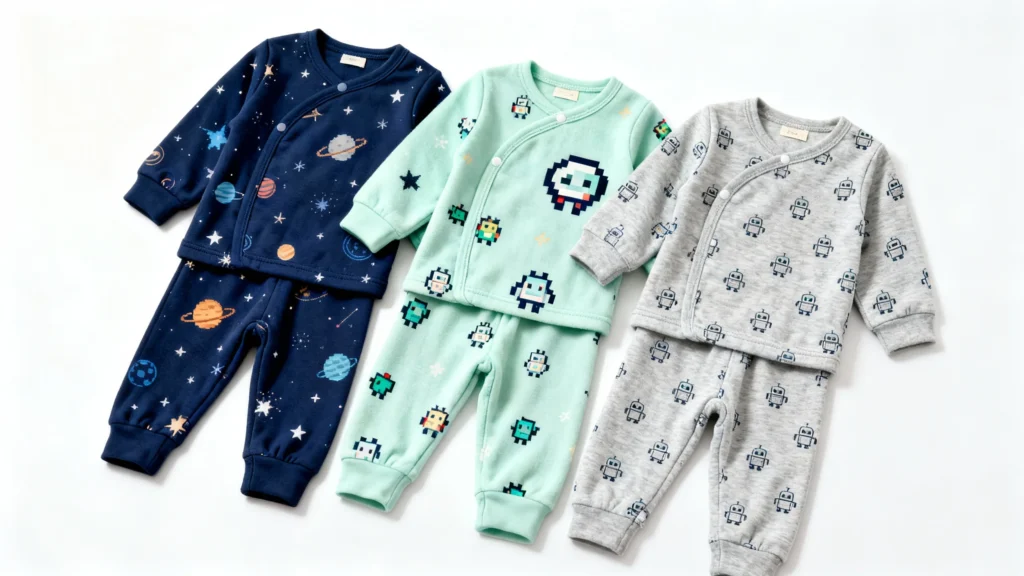
For families who love a bit of whimsy, specialty pajamas—think science prints, space themes, or clever patterns—can make bedtime more fun. Just remember that comfort and safety always come first. Look for certified organic fabrics or OEKO-TEX labels if you want extra assurance about chemical safety.
Ready to shop?
Wardrobe Essentials
A thoughtfully chosen set of baby pajamas does more than keep your little one warm—it sets the stage for restful nights and happy mornings. By focusing on fabric quality, safety standards, and practical features, you can build a sleepwear wardrobe that adapts to every season and stage. Sweet dreams start with comfort, and a little science-backed know-how goes a long way.
Sources
[1] How Many Newborn Baby Clothes Do I Need (and in What Sizes)? — https://www.babylist.com/hello-baby/how-many-baby-clothes-do-i-need
[2] Newborn Essentials Checklist: The Must-Haves | Pampers — https://www.pampers.com/en-us/pregnancy/preparing-for-your-new-baby/article/newborn-baby-checklist
[3] The Ultimate Guide to Baby Gear for Grandparents — https://www.lucieslist.com/guides/grandparents-master-guide/baby-gear-guide-for-new-grandparents/
[4] Jeans won’t button anymore? Here’s your ultimate guide to maternity … — https://www.babycenter.com/pregnancy/your-life/maternity-clothes_10337155
[5] What’s Up With the Scary Tags on Children’s Jammies? | Reviews … — https://www.nytimes.com/wirecutter/reviews/flammability-rules-for-childrens-pajamas/