
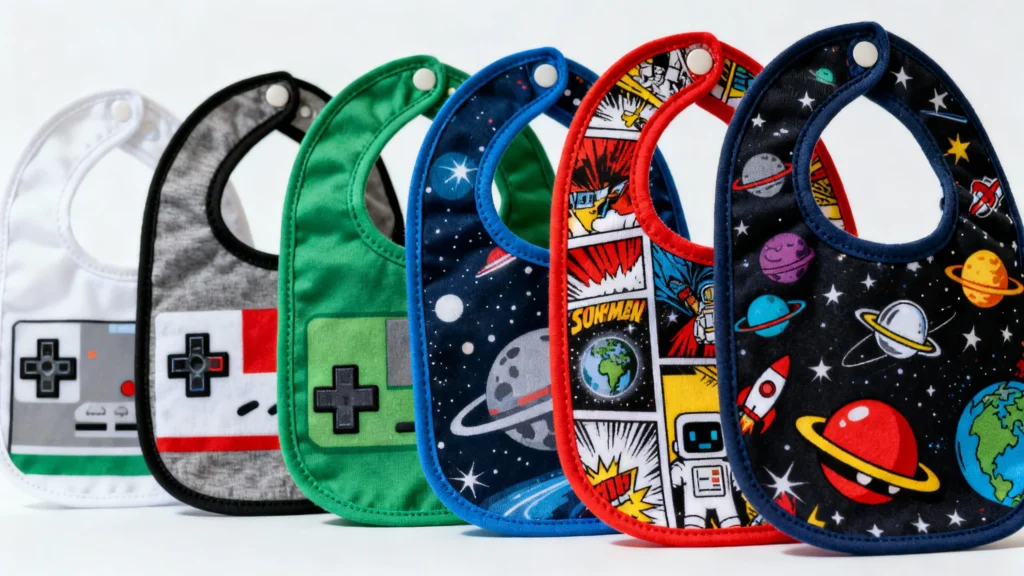
Understanding Baby Bib Types and Materials
When it comes to baby bibs, the variety can be surprisingly vast. Each type serves a distinct purpose, and the material you choose can make all the difference in both comfort and cleanup. Let’s break down the essentials so you can select the right bib for your baby’s needs—and your own peace of mind.
The most common bib types include traditional cloth bibs, bandana bibs, and silicone catch-all bibs. Cloth bibs, often made from cotton or terry, are soft and gentle on sensitive skin. They’re ideal for newborns and young infants who are mostly drooling or spitting up milk. Bandana bibs, with their triangular shape, offer a stylish twist and are particularly good for teething babies who drool a lot. Their absorbent layers help keep chins and necks dry, reducing irritation.
As babies transition to solids, the mess factor increases exponentially. This is where silicone bibs shine. These bibs are waterproof, easy to wipe clean, and often feature a pocket or “food catcher” at the bottom to trap stray bites. According to extensive hands-on testing, silicone bibs are especially valued for their quick-drying properties and ability to minimize laundry loads [1]. For parents who appreciate efficiency, this is a game-changer.
Materials matter not just for cleanup, but for your baby’s comfort and safety. Organic cotton and bamboo are popular for their softness and hypoallergenic qualities, making them a smart choice for sensitive skin. Silicone, when food-grade and BPA-free, is both safe and durable. Some bibs combine materials—think a soft fabric top with a waterproof backing—to offer the best of both worlds.
It’s also worth considering how each material holds up over time. Cloth bibs may stain or wear out with repeated washing, while silicone bibs tend to be more stain-resistant and long-lasting. However, cloth options are often more comfortable for all-day wear, especially for younger babies.
Ultimately, the right bib type and material will depend on your baby’s age, feeding style, and your own preferences for cleaning and aesthetics. Having a mix on hand ensures you’re ready for everything from gentle bottle feeds to exuberant self-feeding sessions.
Here’s what we love:
Best Bib Materials
Choosing Bibs for Every Feeding Stage
Babies grow—and so do their feeding habits. The bib that works for a sleepy newborn won’t necessarily stand up to a determined toddler wielding a spoon. Matching the bib to your child’s developmental stage can make mealtime smoother for everyone.
For newborns and young infants (0-6 months), the main concerns are milk dribbles and spit-up. Soft, absorbent bibs made from cotton or bamboo are ideal here. These bibs are lightweight, gentle on delicate skin, and easy to swap out as needed. Many parents find that a simple, small bib is less likely to irritate or overwhelm a tiny baby.
As babies start teething and drooling more, bandana bibs come into their own. Their shape helps protect clothing and skin from constant dampness, and they’re often designed with multiple absorbent layers. Some even have a waterproof backing to keep moisture from seeping through. This is a great time to stock up, as you’ll likely go through several bibs a day.
Once your baby is ready for solids (typically around 6 months), the mess factor increases. Purees, cereals, and finger foods have a way of ending up everywhere. At this stage, bibs with a waterproof layer or a food-catching pocket are invaluable. Silicone bibs, in particular, are recommended for their ability to catch dropped food and their ease of cleaning—just rinse or wipe and they’re ready for the next meal [1].
For toddlers and self-feeders, durability and coverage become even more important. Look for bibs with a wide surface area, adjustable closures, and sturdy construction. Some bibs are designed to cover the shoulders and even part of the arms, offering extra protection for adventurous eaters. At this age, kids may have strong opinions about what they wear, so fun prints and colors can help encourage cooperation.
It’s also helpful to consider how bibs fit into your daily routine. If you’re often on the go, lightweight, packable bibs are a must. Some parents keep a stash of disposable bibs in the diaper bag for travel or dining out. For home use, having a rotation of easy-to-clean bibs ensures you’re never caught off guard by a surprise mess.
By matching bibs to your baby’s stage and feeding style, you’ll make mealtime more comfortable—and a lot less stressful.
Worth checking out:
Stage-by-Stage Bibs
Features That Make a Difference: What to Look For
Not all bibs are created equal, and the details can make a big difference in everyday use. As you evaluate your options, keep an eye out for features that enhance both practicality and comfort.
Adjustable closures are a must for growing babies. Look for bibs with multiple snap settings or soft Velcro that won’t scratch delicate skin. This ensures a snug fit through growth spurts and helps prevent babies from yanking the bib off mid-meal.
Coverage area is another key factor. Bibs that are too small may leave clothing exposed to stains, while oversized bibs can be cumbersome for little ones. Some bibs offer extended coverage, wrapping around the shoulders or even doubling as a smock for messy eaters. For toddlers who love to feed themselves, this extra protection can save you from frequent outfit changes.
Ease of cleaning is high on every parent’s wish list. Silicone bibs are the clear winners here, as they can be wiped clean or even tossed in the dishwasher. Cloth bibs should be machine washable and able to withstand repeated laundering without losing shape or absorbency. Quick-drying fabrics are a bonus, especially if you go through several bibs a day.
Food-catching pockets are a feature you’ll appreciate the first time your baby drops a spoonful of peas. These pockets help contain the mess and can even encourage little ones to retrieve dropped bites, supporting self-feeding skills. According to product testers, bibs with deep, sturdy pockets consistently outperform those with shallow or floppy designs [1].
Material safety is non-negotiable. Always choose bibs made from BPA-free silicone or certified organic fabrics. This is especially important for babies who love to chew on their bibs. Hypoallergenic materials can help prevent rashes and irritation, particularly for babies with sensitive skin.
Style and design may seem secondary, but they can influence your child’s willingness to wear a bib. Fun prints, bright colors, and soft textures can make bibs more appealing, turning mealtime into a positive experience. Some bibs even feature clever patterns or educational prints, sparking curiosity as your child eats.
Finally, consider portability. Foldable or roll-up bibs are perfect for travel and outings. Some bibs come with their own carrying pouch, making it easy to keep your diaper bag organized and ready for anything.
By focusing on these features, you’ll find bibs that not only protect clothing but also make feeding time more enjoyable for everyone involved.
Parents are loving these:
Feature-Packed Bibs
Our Top Picks: Bibs That Make Mealtime Easier
After reviewing the science, testing products, and listening to real parents, we’ve identified a few standout bibs that consistently deliver on comfort, durability, and mess control. These bibs have earned high marks from both experts and families for their thoughtful design and real-world performance.
The KiddyStar Toddler Bib is a top choice for its combination of soft, food-grade silicone and a deep, sturdy pocket that catches even the most determined spills. It’s dishwasher-safe, adjustable, and comes in a range of fun colors. Parents appreciate how quickly it dries and how well it holds up to daily use [1].
For those who prefer a fabric option, the KUDL Absorbent Baby Toddler Bib stands out. Its multi-layer construction offers excellent absorbency, while the waterproof backing keeps clothing dry. The adjustable snaps grow with your child, and the soft cotton is gentle enough for all-day wear. This bib is especially popular for teething babies and early eaters who need extra protection from drool and dribbles [1].
If you’re looking for a budget-friendly option that doesn’t skimp on features, the Munchkin Splash and Spill Proof Bib is worth a look. Its lightweight, flexible design makes it easy to pack for outings, and the built-in pocket helps minimize cleanup. It’s also machine washable, making it a practical choice for busy families.
When choosing a bib, it’s helpful to have a few different styles on hand. Many parents find that a combination of silicone and fabric bibs covers all their needs, from quick snacks to full-blown spaghetti nights. Having a rotation also means you’re never left scrambling for a clean bib when you need one most.
Ultimately, the best bib is the one that fits your baby, your lifestyle, and your cleaning preferences. By focusing on quality, comfort, and thoughtful features, you’ll make mealtime a little less messy—and a lot more enjoyable.
Ready to shop?
Bibs That Wow
Whether you’re navigating first tastes or cheering on a determined toddler, the right bib can make all the difference. We hope this guide helps you find feeding essentials that are as practical as they are thoughtfully designed. Here’s to more joyful, less stressful mealtimes—and a few fewer outfit changes along the way.
Sources
[1] Best Feeding Gear for Babies and Toddlers of 2025 | Tested — https://www.babygearlab.com/topics/baby-and-kids/best-baby-feeding-gear
[2] Baby Products | Wirecutter — https://www.nytimes.com/wirecutter/baby-kid/baby/
[3] Best Baby Gear of 2025: Top 88 Products | Tested — https://www.babygearlab.com/topics/baby-and-kids/best-baby-gear
[4] The Ultimate Guide to Baby Gear for Grandparents — https://www.lucieslist.com/guides/grandparents-master-guide/baby-gear-guide-for-new-grandparents/
[5] Baby Registry Checklist Must-Haves — https://www.thebump.com/a/registry-101