
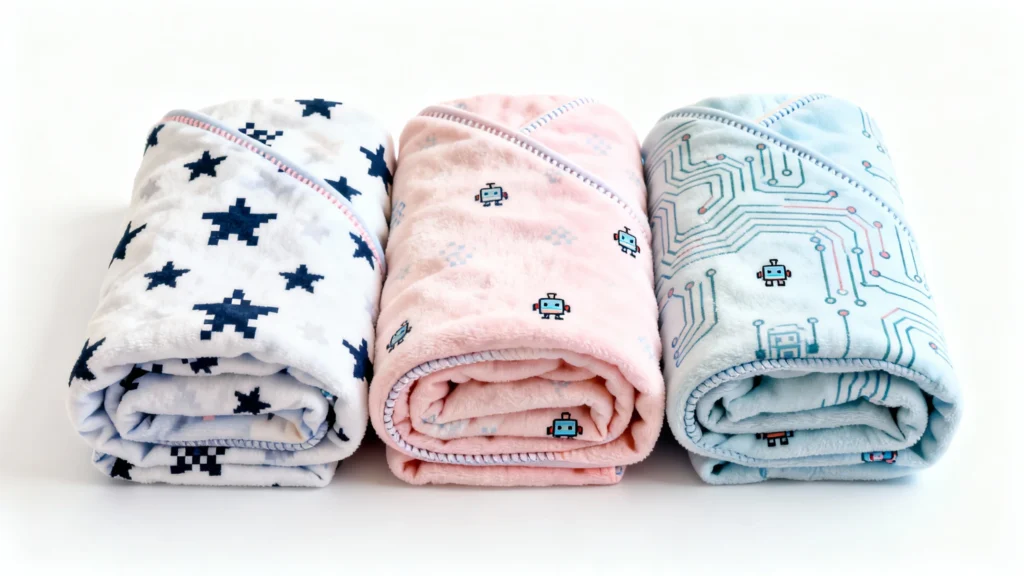
Understanding the Types of Newborn Blankets and Their Real Uses
When you first step into the world of baby gear, the sheer variety of blankets can be overwhelming. Swaddles, receiving blankets, muslin wraps, stroller blankets, security loveys—the list goes on. But here’s the science-backed truth: newborns need only a few thoughtfully chosen blankets, each serving a specific purpose. Understanding these uses helps you avoid overbuying and ensures your baby’s comfort and safety.
Swaddle blankets are designed for the earliest weeks, helping recreate the snug environment of the womb. Swaddling can soothe newborns and may even help them sleep longer stretches by suppressing the startle reflex. However, it’s important to use swaddles safely and discontinue swaddling as soon as your baby shows signs of rolling over, usually around 2 months of age [2]. Swaddles come in two main forms: traditional square muslin or cotton blankets, and “easy swaddle” wraps with Velcro or zippers. Both work, but the right choice depends on your comfort with folding and your baby’s preferences.
Receiving blankets are the multitaskers of the newborn world. Slightly smaller and lighter than swaddles, they’re perfect for quick cleanups, burping, or tucking around your baby during supervised awake time. While they’re often gifted in abundance, you truly only need a handful—think three to five—since they’re easy to wash and dry [3].
Stroller or car seat blankets are a bit heavier and sized to drape over your baby during outings. These are not for sleep but for keeping your little one warm on walks or in the car. Look for options that are breathable and easy to launder, since outings often mean unexpected messes.
Security blankets or loveys are small, soft comfort objects. While not essential for newborns, some babies grow attached to a particular blanket as they get older. For the first few months, these are more decorative than functional, but they can become meaningful as your child grows.
It’s worth noting that crib blankets, quilts, and loose bedding are not recommended for sleep in the first year due to the risk of suffocation and SIDS (Sudden Infant Death Syndrome) [2]. The American Academy of Pediatrics recommends a bare crib with only a fitted sheet for safe sleep. Blankets are for supervised awake time, outings, or as a comfort item when your baby is older.
By focusing on these core types and their real uses, you’ll be prepared for every scenario without cluttering your nursery with unnecessary extras.
Worth checking out:
Most Useful Blanket Types
Choosing Safe and Comfortable Materials for Sensitive Skin
Newborn skin is famously delicate, and the materials you choose for blankets matter more than you might expect. Babies are prone to rashes, irritation, and overheating, so prioritizing breathable, hypoallergenic fabrics is key [2]. The right material keeps your baby comfortable, regulates temperature, and minimizes the risk of skin problems.
Cotton is the gold standard for newborn blankets. It’s soft, breathable, and easy to wash—qualities that matter when you’re dealing with frequent spit-ups and diaper leaks. Organic cotton is even gentler, as it’s grown without harsh chemicals or pesticides, making it a smart choice for babies with extra-sensitive skin.
Muslin is a specific weave of cotton that’s especially popular for swaddles and receiving blankets. Its open weave makes it lightweight and highly breathable, reducing the risk of overheating. Muslin also gets softer with every wash, which is a bonus for both baby and parent.
Bamboo-derived fabrics are gaining popularity for their silky feel and natural antibacterial properties. Bamboo is naturally moisture-wicking and temperature-regulating, making it a great option for babies who run warm or live in humid climates. Just be sure to check that the fabric is certified for safety and free from added chemicals.
Fleece and plush fabrics can be tempting for their coziness, but they’re best reserved for supervised awake time or chilly outings. These materials are less breathable and can trap heat, so they’re not recommended for swaddling or sleep, especially for newborns [2].
When choosing blankets, always check for certifications like OEKO-TEX or GOTS (Global Organic Textile Standard), which indicate the fabric has been tested for harmful substances. Avoid blankets with loose threads, decorative embellishments, or anything that could pose a choking hazard.
Finally, consider ease of washing. Newborn blankets will see their share of messes, so machine-washable options are a must. Having a few high-quality, easy-care blankets beats a pile of fussy, hand-wash-only options every time.
Parents are loving these:
Softest Fabric Choices
How Many Blankets You Really Need (and Why)
It’s easy to assume you need a mountain of blankets to be prepared, but the reality is refreshingly simple. Most families find that six to eight blankets—a mix of swaddles, receiving blankets, and one or two stroller blankets—cover all the bases for a newborn [3]. This number allows for inevitable messes and laundry cycles without overwhelming your storage space.
Here’s how that breaks down:
- Swaddle blankets: Two to four is usually plenty. If you prefer the “easy swaddle” style, two is enough, since you’ll likely wash them often. For traditional muslin swaddles, three or four gives you backup for laundry days and accidents.
- Receiving blankets: Three to five is ideal. These are your workhorses for burping, quick cleanups, and tucking around your baby during awake time. They’re also handy as impromptu changing pads or nursing covers.
- Stroller/car seat blankets: One or two is all you need. These should be slightly heavier and sized to fit over your baby during outings.
- Loveys/security blankets: Optional for newborns, but one or two can be nice to have on hand for when your baby is a bit older.
Why not more? First, newborns grow quickly, and their needs change fast. Second, hospitals typically provide blankets during your stay, and you’ll likely receive a few as gifts [1]. Third, too many blankets can clutter your space and make laundry more overwhelming than it needs to be.
It’s also important to remember that blankets are not a substitute for safe sleep practices. For sleep, stick to a fitted crib sheet and use swaddles only until your baby can roll over [2]. After that, consider wearable blankets or sleep sacks, which provide warmth without the risks of loose bedding.
If you live in a climate with distinct seasons, you might want a couple of lighter and heavier options, but the core number stays the same. The goal is to have enough to rotate through laundry and handle the occasional blowout, not to fill every drawer.
Ready to shop?
Best Everyday Blanket Sets
Smart Blanket Picks for Home, Outings, and Sleep
Now that you know what you need and why, let’s talk about how to choose the right blankets for different situations. A little strategic planning goes a long way in making daily life smoother for both you and your baby.
For home use, prioritize blankets that are versatile and easy to clean. Muslin swaddles double as burp cloths, tummy time mats, or nursing covers. Receiving blankets can be layered for extra warmth during supervised awake time or used as a soft surface for diaper changes. Keep a small stack in your main living area and another in the nursery for convenience.
For outings, a slightly heavier stroller or car seat blanket is invaluable. Look for options with a soft, plush lining on one side and a smooth, easy-to-clean surface on the other. Some blankets come with built-in clips or straps to attach to your stroller, which helps prevent them from falling to the ground. In cooler weather, consider a bunting or footmuff for extra warmth, but always ensure your baby doesn’t overheat.
For sleep, stick to swaddles for the first few months, following safe swaddling guidelines. Once your baby starts rolling, transition to a wearable blanket or sleep sack. These provide warmth without the risks associated with loose blankets in the crib [2]. Choose sleep sacks with adjustable sizing and breathable fabrics for year-round comfort.
For special needs, such as babies with eczema or allergies, opt for hypoallergenic, dye-free, and fragrance-free fabrics. Some brands offer blankets specifically designed for sensitive skin, which can make a noticeable difference in your baby’s comfort.
For gifting or registry, focus on quality over quantity. A set of two or three premium muslin swaddles, a cozy stroller blanket, and a wearable sleep sack make a thoughtful, practical gift that new parents will actually use.
Finally, don’t forget about personalization. Many families enjoy having one or two blankets embroidered with their baby’s name or initials. While not essential, these can become cherished keepsakes as your child grows.
Here’s what we love:
Smartest Blanket Solutions
Welcoming a newborn is a time of excitement and discovery, and choosing the right blankets should add comfort—not stress—to your journey. By focusing on a few high-quality, safe, and versatile options, you’ll have everything you need for those first precious months. Here’s to cozy snuggles, restful naps, and the simple joys of new beginnings.
Sources
[1] I’m a Former L&D Nurse—This Is What You Actually Need in Your Hospital Bag — https://www.parents.com/nurse-recommended-hospital-bag-packing-list-8599488
[2] Newborn Essentials Checklist: The Must-Haves | Pampers — https://www.pampers.com/en-us/pregnancy/preparing-for-your-new-baby/article/newborn-baby-checklist
[3] Newborn Clothing Essentials and More — https://www.parents.com/baby/gear/registries-buying-guides/essential-baby-gear/
[4] Baby’s First-Year Basics: What Products You Need & When — https://www.babylist.com/hello-baby/babys-first-year-basics
[5] Hospital Bag Checklist: What to Pack in Your Hospital Bag — https://www.babylist.com/hello-baby/what-to-pack-in-your-hospital-bag