
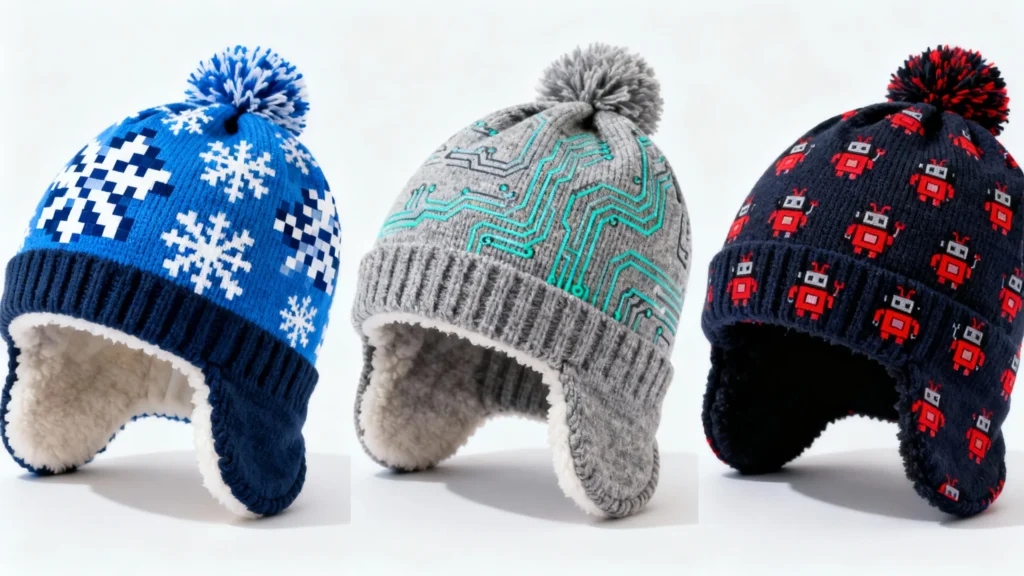
Why Babies Need Special Protection in Cold Weather
Babies are marvels of biology, but their ability to regulate body temperature is still a work in progress. Unlike adults, infants lose heat more quickly and have a limited capacity to generate warmth through shivering or increased activity. This means that even brief exposure to cold can lead to discomfort or, in more serious cases, hypothermia [1]. The younger the baby, the less body fat they have to insulate them, and the less able they are to recover once they get chilled [1].
When temperatures dip, protecting your baby’s head becomes especially important. A significant amount of body heat escapes through the scalp, and babies’ heads are proportionally larger than those of adults, making them even more vulnerable to heat loss [2]. Pediatricians recommend that babies wear a hat whenever they’re outside in cold weather, and even indoors if the environment is drafty or particularly chilly [1][3].
It’s not just about temperature, either. Wind chill can make outdoor conditions more hazardous, stripping away heat faster than still air. Experts advise limiting outdoor time for infants when the wind chill drops below 10°F, and only venturing out when necessary if it’s extremely cold [2][5]. Even above freezing, a brisk wind can make a short walk feel much colder, so a well-fitted hat is a must.
Babies also can’t tell us when they’re too cold, so we need to be vigilant for signs like fussiness, cool skin, or pale lips and cheeks [1]. Regularly checking your baby’s neck, hands, and feet can help you gauge whether they’re comfortable or need an extra layer. Remember, overheating is also a risk—so the goal is to keep your baby warm, not sweaty.
Here’s what we love:
Best Cozy Baby Hats
Key Features to Look for in Baby Winter Hats
Choosing the right winter hat for your baby is about more than just cuteness (though we appreciate a good set of bear ears as much as anyone). The best hats combine effective insulation, comfort, and safety. Here’s what to consider as you shop:
Material matters most. Look for hats made from soft, breathable fabrics like fleece, wool, or cotton blends. Wool is a classic for a reason—it’s naturally insulating and wicks away moisture, keeping your baby warm even if the hat gets a little damp [2]. Fleece is another excellent choice, offering warmth without bulk and drying quickly if exposed to snow or drool.
Coverage is critical. The ideal winter hat should cover your baby’s ears completely, as these are especially prone to getting cold. Styles that extend down the sides of the face or have ear flaps provide extra protection. For newborns and young infants, hats that tie or snap under the chin help keep everything in place, even during stroller rides or wiggly moments [2][3].
Fit should be snug but not tight. A hat that’s too loose can slip over your baby’s eyes or fall off, while one that’s too tight can leave marks or cause discomfort. Look for hats with a bit of stretch or adjustable closures. If your baby is between sizes, opt for the smaller one for a secure fit, but always check for red marks after wearing.
Seam placement and tags can make a big difference for sensitive skin. Seek out hats with flat seams and minimal internal tags to avoid irritation. Babies with eczema or sensitive skin may benefit from hats lined with ultra-soft cotton or hypoallergenic materials.
Easy care is a bonus. Babies are experts at getting things messy, so machine-washable hats are a practical choice. Quick-drying fabrics mean you can rotate hats as needed, especially if you’re heading out multiple times a day.
Safety first. Avoid hats with long strings, loose pom-poms, or decorative elements that could pose a choking hazard. For the youngest babies, simplicity is best—choose hats that do their job without extra frills.
Worth checking out:
Top Earflap Hat Picks
Matching the Right Hat to Your Baby’s Winter Activities
Not all winter days—or winter hats—are created equal. The best hat for a quick dash to the car isn’t always the same as the one for a snowy stroller adventure. Matching your baby’s hat to the day’s activities helps keep them comfortable and safe.
For everyday errands and short outings, a lightweight fleece or cotton-blend hat with ear coverage is usually sufficient. These hats are easy to slip on and off as you move between indoors and outdoors, and they fit comfortably under jacket hoods or stroller covers [1][3].
For longer outdoor adventures—think winter walks, park visits, or snowy play—opt for a thicker, double-layered hat, ideally with windproof or water-resistant features. Wool or insulated fleece hats with ear flaps and chin ties are excellent for keeping warmth in and cold out [2]. If your baby will be in a carrier, make sure the hat fits well under the carrier’s hood or cover, and check frequently to ensure their face remains uncovered and their airway clear.
For babies in strollers, consider hats that pair well with bunting bags or stroller footmuffs. Some hats are designed with extra-long sides or neck coverage, which can help block drafts that sneak in around the stroller canopy. If your stroller faces into the wind, a hat with a snug fit and wind-resistant outer layer is especially helpful.
For car rides, safety takes precedence over warmth. Bulky hats and hoods can interfere with how your baby sits in their car seat, so choose a thin, close-fitting hat for the ride and add a blanket over the harness for extra warmth once your baby is buckled in [4]. Remove any thick hats or hoods before strapping your baby in, and replace them with a warmer hat once you reach your destination.
For sleep and indoor naps, hats are generally not recommended, as they can increase the risk of overheating and pose a suffocation hazard if they slip over your baby’s face [1][3]. Instead, keep your home at a comfortable temperature and use sleep sacks or wearable blankets for warmth.
Special considerations for sensitive skin: If your baby has eczema or is prone to irritation, look for hats labeled as hypoallergenic or made from organic cotton. Moisture-wicking linings can also help prevent sweat from causing discomfort during active outings.
Parents are loving these:
Best Stroller-Ready Hats
Safe Layering and Car Seat Considerations for Winter Outings
Layering is the secret weapon of winter dressing, especially for babies. The general rule is to dress your baby in one more layer than you would wear yourself [1][2][3]. For most outings, this means a base layer (like a bodysuit), a middle layer (such as a sweater or fleece), and an outer layer (jacket or snowsuit), topped off with a hat, mittens, and booties.
When it comes to hats, layering can be strategic. On especially cold days, a thin cotton cap under a thicker fleece or wool hat adds warmth without bulk. Just be sure the layers don’t become so tight that they leave marks or make your baby uncomfortable.
Car seat safety is non-negotiable. Puffy hats, thick hoods, and bulky coats can create dangerous slack in car seat harnesses, increasing the risk of injury in a crash [4]. Always remove thick hats and hoods before buckling your baby into their car seat. Instead, use a thin, snug-fitting hat and add warmth with a blanket or car seat-safe cover placed over the harness, not between your baby and the straps [1][4].
Pre-warming your car can make transitions easier. If possible, start the car a few minutes before you leave so the interior is comfortable when you buckle your baby in. Once inside, monitor your baby for signs of overheating—flushed cheeks, sweating, or fussiness—and remove layers as needed [1][4].
Watch for signs of discomfort. Babies can’t tell us when they’re too hot or too cold, so check their neck, ears, and hands regularly. If their skin feels cool or they seem fussy, add a layer. If they’re sweaty or flushed, remove one.
Plan for quick changes. Keep an extra hat (or two) in your diaper bag for unexpected weather shifts or if one gets wet. Having a backup ensures your baby is always protected, no matter what the day brings.
Avoid hats with long ties or loose decorations in the car seat, as these can pose a strangulation or choking risk. Simplicity and function should always win out over style when safety is on the line [4].
Ready to shop?
Car Seat-Safe Hat Finds
Keeping your baby warm in winter is all about thoughtful choices and a little bit of planning. The right hat can make all the difference, helping your little one stay cozy, comfortable, and safe through every chilly adventure. With a few smart picks and an eye on safety, you’ll be ready to enjoy the season together—one snug, happy outing at a time.
Sources
[1] Protecting Babies from Winter’s Chill: Essential Care Tips — https://www.parents.com/baby/health/babys-first-winter-a-survival-guide/
[2] The Most Important Winter Safety Tips for Kids — https://www.parents.com/baby/safety/outdoor/winter-weather-safety-guide/
[3] How to Dress a Newborn Baby for the Weather — https://www.whattoexpect.com/baby-health-and-safety/dress-newborn.aspx
[4] The Car Seat LadyBest Winter Gear that is Safe in the Car Seat — https://thecarseatlady.com/warmandsafe/
[5] When Is It Too Cold to Take Your Baby or Toddler Outside? — https://www.whattoexpect.com/first-year/protecting-kids-from-extreme-cold